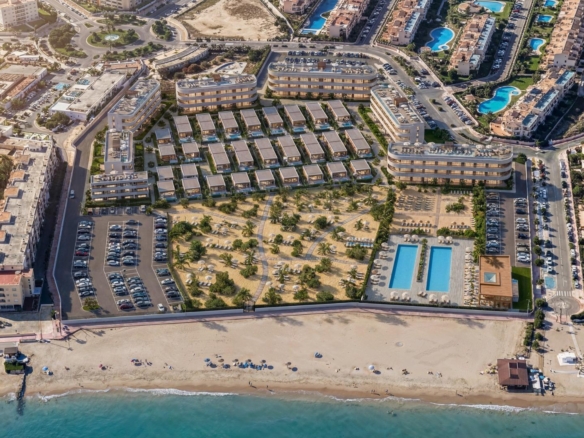
Getting your home ready for winter in Spain This means protecting your second home against damp, mould, frost damage and burglary before you leave, so that you’ll find it in top condition when you return after the winter. In practical terms, this involves turning off the water supply and draining the pipes, switching off non-essential electrical appliances, ensuring continuous ventilation to prevent condensation, preparing the swimming pool and garden for the off-season, and arranging for a local key-holder to keep an eye on the property. If you carry out these steps in good time and systematically, you’ll avoid costly repairs in the spring and always return to a dry, safe and healthy home.
On the Costa Blanca, winter seems mild, and it usually is. Nevertheless, many owners of second homes underestimate the impact that a few months’ absence can have on a property left unoccupied. The combination of high humidity along the coast, short but heavy autumn rains and sharply falling night-time temperatures in the hinterland presents the real challenge. A property that remains completely sealed up for months on end becomes a breeding ground for mould; an irrigation pipe that has not been drained may burst during an unexpected night-time frost in the inland areas around Pinoso or Hondón. This is not an unnecessary luxury, but maintenance that protects the value of your property. For Belgians, Dutch, Germans and French nationals who only occupy their flat in Torrevieja or villa in Jávea for a few weeks a year, well-planned winter preparations are the cheapest insurance there is.

Why it is essential to winterise your home in Spain
When the sweltering summer heat gives way to the milder autumn, many owners think their worries are over. The opposite is true. The transition to the colder season requires a specific approach to monitor the structural condition of your property. A second home left unattended is more susceptible to damage than a permanently occupied property, simply because no one notices a minor problem before it becomes a major one. A dripping tap, a blocked gutter or a malfunctioning swimming pool pump go unnoticed and cause damage silently.
What’s more, the Spanish winter isn’t the same everywhere. On the southern Costa Blanca, in Torrevieja, Orihuela Costa and Pilar de la Horadada, the weather usually remains mild, with occasional heavy rain. In the north, around Dénia, Moraira and Altea, the situation is similar, although the sea breeze can be stronger there. If you head inland, the temperature can certainly drop below zero at night. These geographical differences determine how far you need to go: a second-floor flat with a sea view requires a different approach to a detached finca with its own well and irrigation system. By acting now, you’ll avoid the stress of emergency repairs from afar, which are particularly tricky in Spain due to the language barrier and the limited availability of tradespeople around the festive season.
Moisture and mould prevention as a foundation
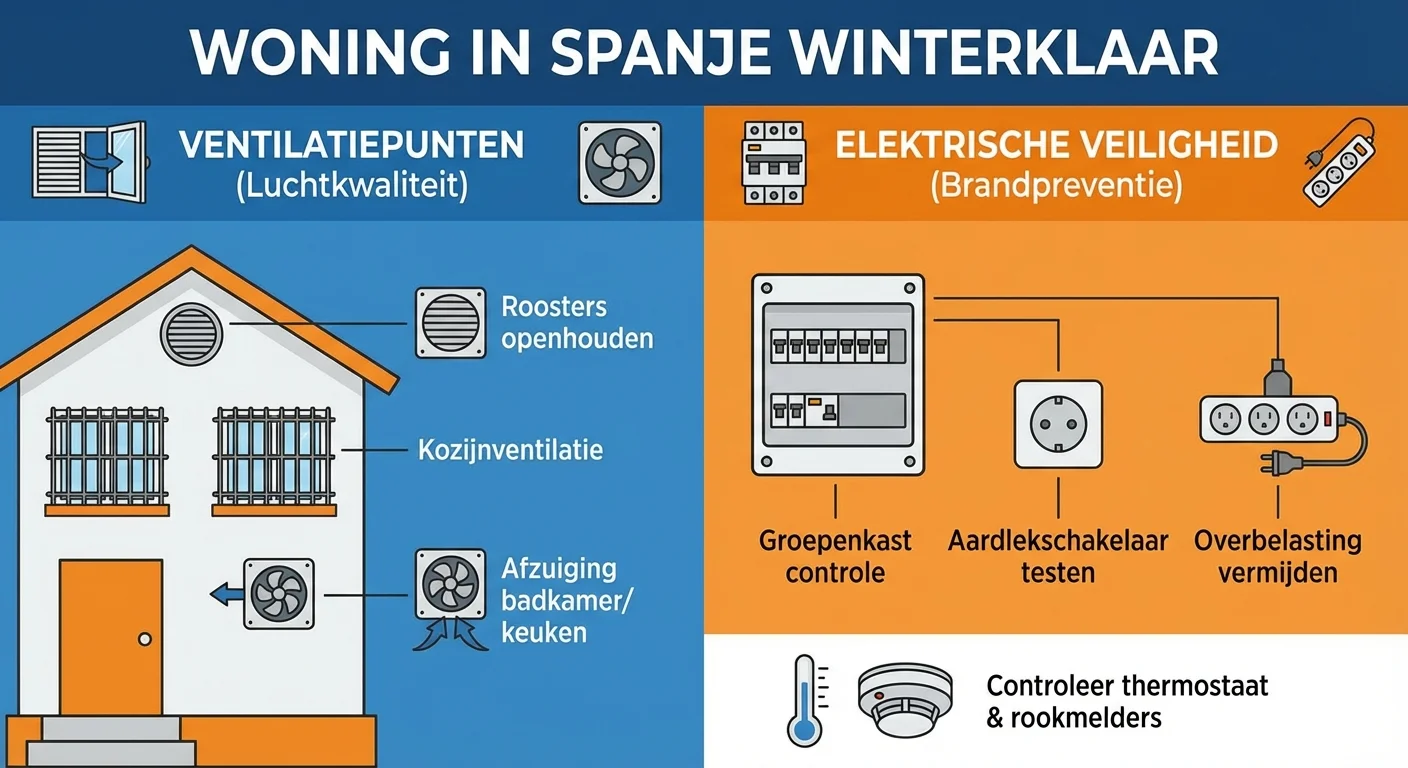
Damp is the number one silent enemy of any enclosed home on the coast. High humidity, combined with falling night-time temperatures, leads to condensation on cool interior walls, and in an enclosed space with no air movement, that typical musty smell and black mould quickly develop in corners and behind cupboards. The solution is surprisingly simple and inexpensive: ensure constant, passive air circulation. Leave ventilation grilles open, leave interior doors and cupboard doors ajar, and place a moisture absorber with refillable granules in every room or, better still, a small electric dehumidifier if you leave the power on.
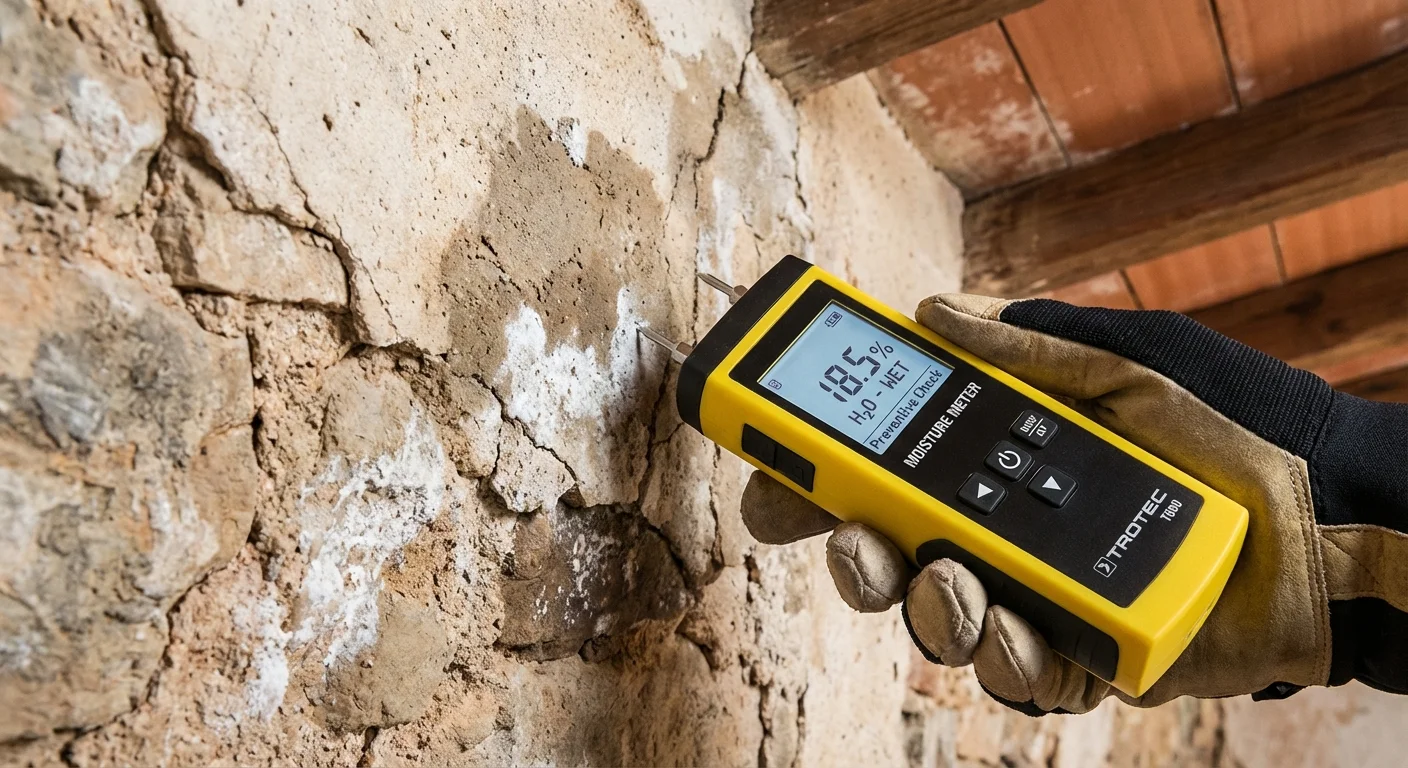
Move furniture a few centimetres away from the external walls to allow air to circulate behind it, and ideally stand mattresses and seat cushions upright. If you have an air-conditioning system with home automation, you can set it to run periodically in dehumidification mode or switch it on remotely during damp spells. Before you leave, also check the window seals and the joints in the façade: small gaps allow moisture to enter, which can build up over months. Placing a moisture meter against the wall will give you a baseline reading, so that on your return you can immediately see if a problem has arisen. It is best not to place delicate textiles, leather furniture and books against an external wall, as this is precisely where condensation settles first and mould begins to form. These measures cost very little, but they protect not only your finishes and furniture, but also your health and any electronic equipment that is susceptible to corrosion from the salty sea air.
Turn off the water and protect the pipes
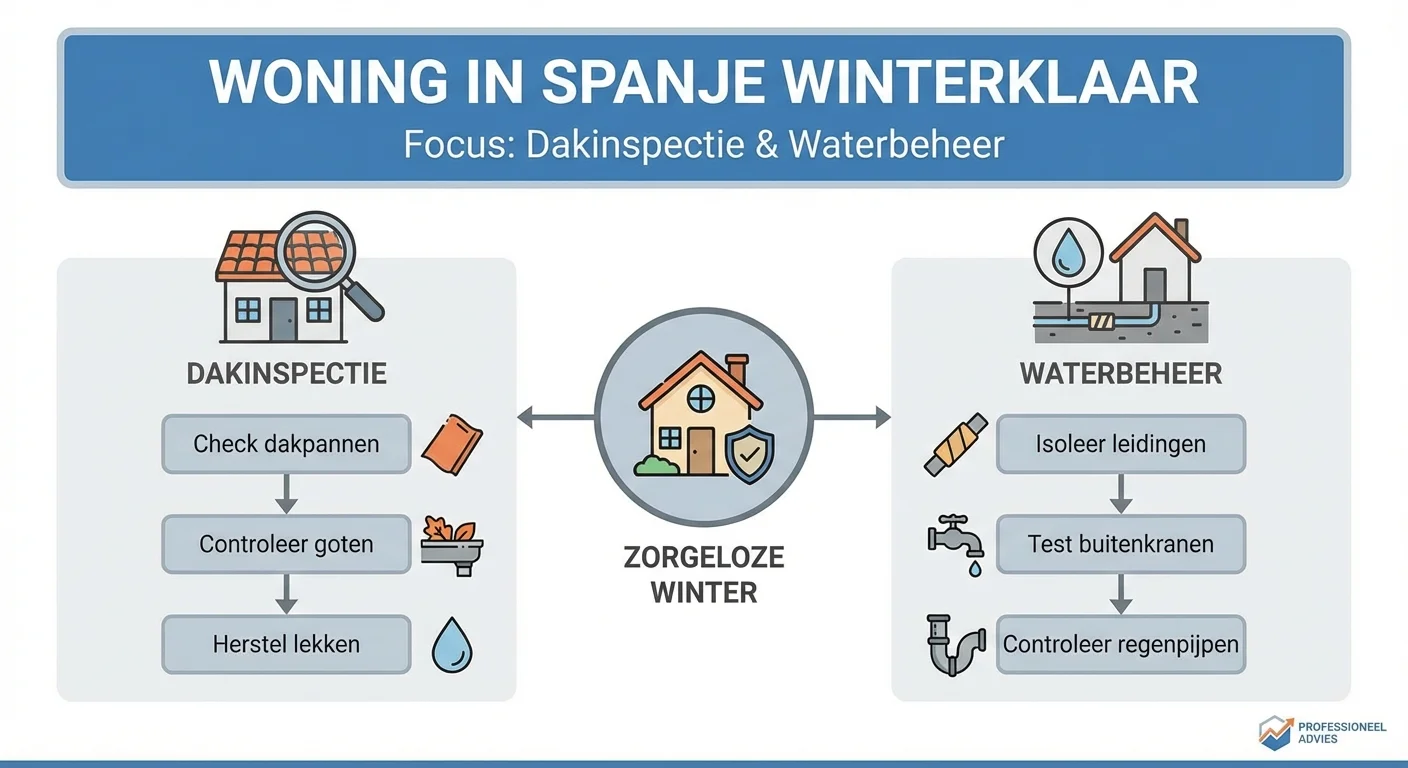
The most significant damage to unoccupied properties is caused by water. A loose hose from the washing machine or a leaking boiler connection can, if the main tap is left on, continue to run unnoticed for weeks and ruin an entire ground floor. You should therefore always turn off the main water tap completely before you leave. Next, drain the pipes by briefly opening the lowest taps, and also empty the boiler or set it to frost protection. In regions where night-time frost occurs, draining the pipes is not just a precaution but essential: water that freezes inside a pipe expands and causes copper or plastic pipes to burst.
Don’t forget the outdoor areas. Turn off the outside taps and disconnect garden hoses, as a frozen outside tap is a classic and costly source of damage. Adjust the automatic irrigation system to account for the lower evaporation rate in winter, or switch it off completely and drain it; even a light frost can damage above-ground drip pipes, leading to leaks that you won’t discover until months later. Finally, clean the gutters and the drainage channels on your patio and roof terrace. Blocked drains are the main cause of water damage in the notorious Gota Fría, the short but extremely heavy downpours that characterise autumn in the Mediterranean. While you’re at it, check the pitch of the flat roof and the connection of the downpipes, as a raised edge with a blocked outlet can quickly turn a roof terrace into a shallow swimming pool. Half an hour spent clearing the gutters can sometimes prevent thousands of euros’ worth of water damage.
Electrical installations and domestic appliances
Proper management of your electrical installation makes your home safer and saves energy. Unplug non-essential appliances completely from the socket: televisions, microwaves, computers, charging stations and small kitchen appliances. This eliminates standby power consumption and protects your electronics from power surges caused by lightning strikes during winter storms, which can be more intense on the coast than many people expect. A home that is completely de-energised is the safest option, but in practice you will often want to keep a few circuits running.
So make sure you leave on only what you need: the alarm system, a dehumidifier if necessary, the fridge if you want to keep it stocked and running, and the timers for the lights. Empty the fridge and freezer before switching them off, and then leave the doors ajar to prevent mould from forming inside. Clean the filters of the air conditioning and heating units before you leave, so that they’re clean and working efficiently as soon as you return. Finally, consider a simple smart plug or thermostat that you can control remotely; this way, you can stay in control during damp or cold spells, even if you’re in Belgium, the Netherlands, Germany or France.
Preparing the swimming pool for winter
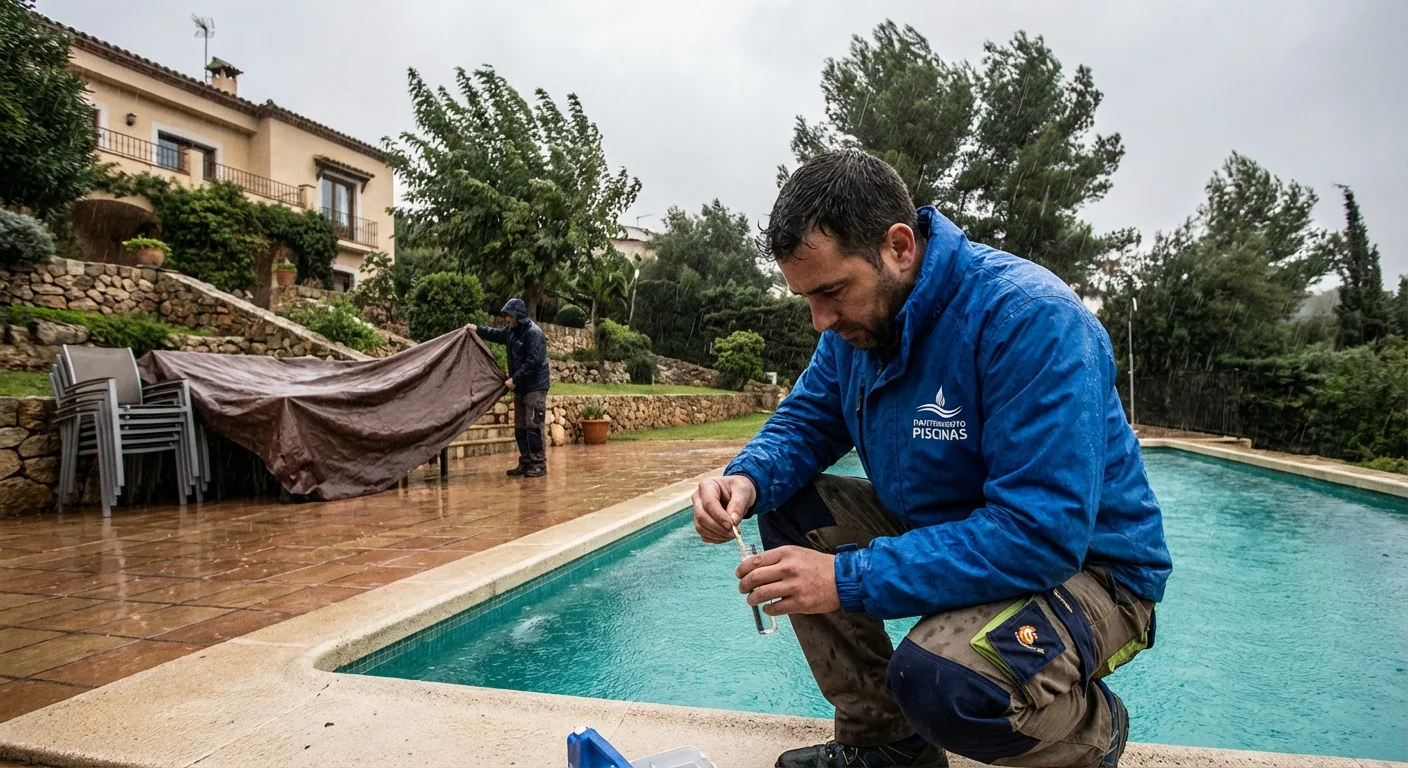
A neglected swimming pool can be one of the most expensive surprises after the winter. You should therefore not drain the pool completely: an empty pool loses the counter-pressure provided by the water and may crack or even float up due to groundwater or structural stress. Lower the water level to just below the skimmers, apply a high-quality winterising product to prevent algae growth, and adjust the pH and chlorine levels to the correct levels before you leave. Clean the skimmer baskets and the filter, and run the filter system for a few hours each week to prevent stagnant, cloudy water, preferably using a timer to limit pump usage.
If you have someone on site, you can have the skimmers emptied and the pH adjusted after a heavy storm. A pool cover keeps leaves, sand and rainwater out and reduces evaporation, but make sure it is taut so that it does not sag and form a pool of water. Also check the pool pump and pipework for leaks or unusual noises before closing up the property, and insulate vulnerable pipes in regions prone to frost. A green, murky pool that needs to be cleared up in March can easily cost many times more than a well-planned winterisation in October would have done.
Garden, terrace and outdoor space
Outdoor living is at the heart of Spanish property, but it is precisely the garden and terrace that suffer most from the winter elements. Although it rarely freezes on the Costa Blanca, strong gusts of wind and heavy rain can cause considerable damage. Protect vulnerable potted plants from the wind and cold, and adjust your watering regime to suit the season; too much water in winter leads to root rot, which can cause irreparable damage to your Mediterranean plants. Prune palms, trees and large shrubs so that they catch less wind and no branches can fall onto the roof during an autumn storm.
Store loose garden furniture, cushions and parasols in a dry, locked shed or garage, and cover larger items of furniture with breathable covers to prevent condensation and mould from forming underneath. Clean the drainage channels around the patio once more, as this is where a lot of rainwater collects. Don’t forget that a well-maintained outdoor space directly contributes to the value and rentability of your property: restoring a neglected garden usually costs far more time and money than carrying out preventative maintenance during the off-season. Whether you let out the property or not, this also helps to safeguard your return on investment and ensure good reviews for the next season.
Security, shutters and making the house look lived-in
A property that looks abandoned is more likely to attract unwanted attention and even squatters, a problem that is still an issue in parts of Spain. Preparing your home for winter in Spain therefore also means giving the impression that the house is lived in. Install timers or smart lights that switch on at varying times in the evening, and make sure the garden is well maintained. Do not close the shutters completely and permanently: in Spain, sturdy shutters are the norm, but if everything is shut tight for weeks on end, it actually draws attention and, moreover, exacerbates internal damp problems. Leaving them partially open to allow ventilation is often the best option.
Check that the alarm system and the outdoor lighting with motion sensors are working properly, and make sure that any cameras are recording correctly and sending you a remote alert. Arrange with a neighbour – or, better still, a professional key holder – for them to collect your post: an overflowing letterbox is the clearest sign of absence to burglars. Store valuable items and documents out of sight, and leave a key with someone you trust, so that in the event of an emergency, someone can always gain access quickly.
Post, insurance and administration
As well as the physical work, there is an administrative side that owners often overlook. Many home insurance policies impose specific requirements on unoccupied properties: a maximum period of vacancy, a compulsory alarm system or a shut-off valve. If you fail to comply, an insurer may refuse to pay out in the event of water damage or a burglary. You should therefore read your policy carefully before you leave and adjust your cover if necessary. Document the condition in which you leave the property with photographs and keep receipts for any maintenance carried out; this will ensure you have the necessary evidence in the event of a claim and help avoid disputes later on.
Arrange your post and billing too. Ensure that water, electricity, the owners’ association and local council charges are paid by direct debit from a Spanish or European bank account, so that your services are not cut off during your absence due to an unpaid bill. Arrange for your post to be forwarded or collected by your key holder, and keep important documents relating to your property organised in one place. Anyone wishing to manage their tax obligations as a non-resident effectively will find useful background information in our overview of the Tax on your second home in Spain, because the winter period also counts towards the annual tax return.
Why regular monitoring and key management make all the difference
All the previous steps are valuable, but they are merely a snapshot in time. The real difference is made by someone who looks after your interests on the ground whilst you are abroad. A local key-holder or a professional property management company carries out regular checks, airs the property, checks after a heavy storm to see if any roof tiles have shifted or windows have been damaged, and takes action before a minor problem escalates. What’s more, that person knows where to find reliable local tradespeople and speaks the language, which is worth its weight in gold in an emergency. It is precisely this regular monitoring that protects an unoccupied property from the creeping damage discussed in this article.
For those looking for a completely hassle-free solution, we offer this monitoring service through our service Maintenance and key management in Spain, whereby we carry out regular inspections of your property, carry out minor repairs and keep you informed after each visit. If you’d like to understand in more detail how this works and what benefits it offers you, please read our explanation of the Benefits of professional key management in Spain. If you combine this with the desire to make your second home profitable whilst you are away, our service can help property rental in Spain to enable you to manage the property safely and profitably. And for those who view their purchase primarily as an investment, our pillar focuses on real estate investments in Spain maintenance in the broader context of return on investment and value retention.
How we can help you
At Invest in Spain, part of the Luxury Property Group, a team of local specialists is on hand, led by the property expert and CEO Kenzo Fayot. We support buyers and owners from Belgium, the Netherlands, Germany and France through every stage of their journey on the Costa Blanca, from the initial search and guidance through the purchase process to the long-term maintenance of their second home. Whether you own a flat in Torrevieja, a villa in Jávea or a luxury property in Ibiza, we know the region, the tradespeople and the practical pitfalls of owning a property from afar. Our approach is personalised, down-to-earth and focused on protecting your investment, so that your Spanish dream remains a source of pleasure rather than worry. Please feel free to browse our full range of property services in Spain.
Would you like to leave your home this winter without any worries, or are you looking for a reliable local partner? Please feel free to get in touch, with no obligation get in touch with us. We’ll work with you to draw up a plan tailored to your stay and your schedule.
Frequently asked questions about winterising your property in Spain
When is the best time to get my home in Spain ready for winter?
It’s best to start this in October, before the first autumn storms and colder nights set in. This will prevent damp, wind or an early Gota Fría from causing damage whilst you’re already in Belgium, the Netherlands, Germany or France. Careful preparation in advance is always better than having to carry out repairs remotely afterwards.
How can I protect my home in Spain from damp and mould?
Ensure continuous passive ventilation by leaving vents open and leaving internal doors ajar, and place moisture absorbers or a dehumidifier in every room. Move furniture away from external walls, check window seals and façade joints, and clean the gutters. These inexpensive measures prevent the typical musty smell and black mould.
What should I do with the water when I leave my second home?
Turn the main tap off completely, drain the pipes via the lowest taps and set the boiler to ‘frost-free’ or empty it. Also turn off any outdoor taps and drain the irrigation system. This will almost completely prevent water damage and burst pipes caused by night-time frost whilst you are away.
Do I need to drain my swimming pool for the winter?
No, it is not advisable to completely empty a swimming pool because the pool loses the counter-pressure provided by the water and may crack or float up. Lower the water level to just below the skimmers, use a winterising product, adjust the pH to the correct level and run the filter briefly once a week. A pool cover will keep leaves and rain out.
Why is a local key holder so important in winter?
A property manager carries out regular checks, airs the property, takes immediate action after a storm and has a network of reliable local tradespeople. This ensures that minor problems are resolved before they cause major damage. For owners who are only present for a few weeks a year, this level of supervision is the best guarantee of a worry-free return.