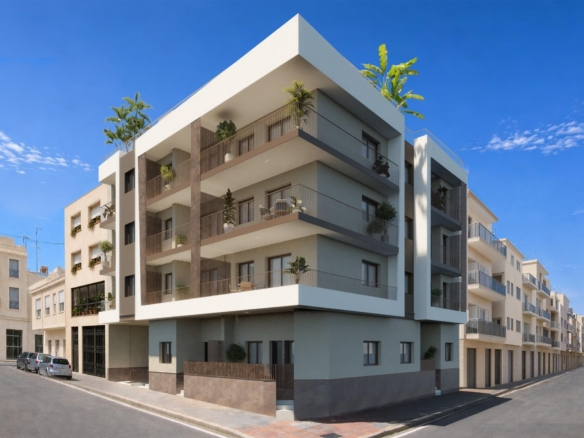
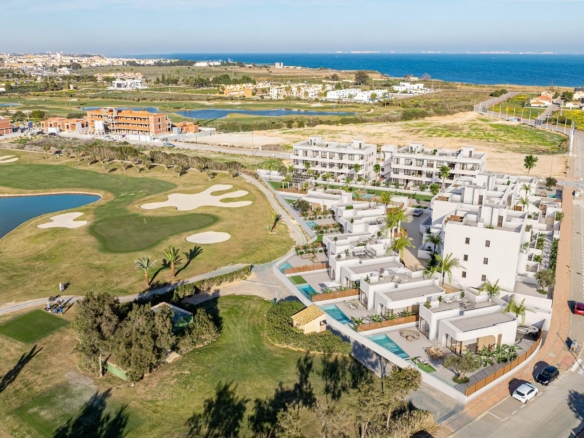
Een huis kopen in Spanje verloopt veilig en zonder verrassingen wanneer u een vaste volgorde aanhoudt: bereid eerst uw budget en financiering voor, vraag uw NIE-nummer aan, open een Spaanse bankrekening, kies een betrouwbare makelaar en aankoopbegeleider, selecteer woning en locatie, laat de Note Simple en de juridische status controleren, breng een bod uit en teken het Contrato de Arras, regel eventueel een hypotheek, en rond af bij de notaris met de escritura, de kosten koper, de registratie en de nutsvoorzieningen. Deze checklist voor het kopen van een huis in Spanje neemt u stap voor stap mee door dat hele traject, geschreven voor Belgen, Nederlanders, Duitsers en Fransen die aan de Costa Blanca een tweede verblijf, een vakantiewoning of een investering zoeken.
De Spaanse vastgoedmarkt werkt op een aantal punten anders dan u gewend bent in eigen land. De notaris speelt er een meer registrerende rol en het is uw eigen advocaat die het juridische onderzoek uitvoert. Juist daarom is een gestructureerd stappenplan zo waardevol: het voorkomt dat u een cruciale stap overslaat en het beschermt uw investering op de lange termijn. Wij begeleiden dagelijks kopers uit België, Nederland, Duitsland en Frankrijk en kennen elke valkuil van Calpe tot Moraira. Hieronder leest u onze volledige checklist, in de logische volgorde waarin u de stappen het beste doorloopt.

Checklist huis kopen in Spanje: het stappenplan in vogelvlucht
Wilt u eerst het volledige overzicht? Hieronder vindt u de twaalf stappen op een rij. Verderop werken wij elke stap in detail uit, met telkens een verwijzing naar de gids die u op dat punt het meest helpt.
- Financieel voorbereiden & budget bepalen – reken naast de prijs ook de kosten koper mee.
- Apply for NIE number – uw fiscale sleutel voor elke transactie.
- Spaanse bankrekening openen – voor betalingen, belastingen en nutsvoorzieningen.
- Makelaar & aankoopbegeleiding kiezen – lokale kennis die uw belang dient.
- Woning & locatie selecteren – van de Costa Blanca Noord tot Zuid.
- Nota Simple & juridische controle – eigendom, schulden en vergunningen.
- Bod uitbrengen & reserveren – vaak via een reservatiecontract.
- Signing the deposit agreement – het bindende voorlopige koopcontract.
- Hypotheek regelen (indien van toepassing) – financiering als niet-resident.
- Notaris & escritura – de officiële overdracht van de eigendomsakte.
- Kosten koper, registratie & nutsvoorzieningen – belastingen betalen en alles op uw naam zetten.
- Beheer na aankoop – sleutelbeheer, onderhoud en eventueel verhuur.
Stap 1: Financieel voorbereiden en uw budget bepalen
Voordat u ook maar één pand bezichtigt, brengt u uw financiële kader scherp in beeld. In Spanje komt er bovenop de aankoopprijs gemiddeld 10 tot 15% aan bijkomende kosten, afhankelijk van de regio en of u nieuwbouw of bestaande bouw koopt. Dat omvat de overdrachtsbelasting (ITP) or VAT (IVA), de zegelrechten (AJD), notaris- en registratiekosten en de erelonen van uw advocaat. Een realistische begroting houdt hier vanaf het begin rekening mee, zodat u nooit voor verrassingen komt te staan bij de notaris.
Goed nieuws voor de Comunidad Valenciana, waar de Costa Blanca onder valt: de ITP voor bestaande woningen daalt vanaf 1 juni 2026 van 10% naar 9% voor woningen tot €1.000.000. Wilt u exact weten waar u op moet rekenen voor uw specifieke situatie, gebruik dan onze handige tool om de kosten koper te berekenen. Zo legt u meteen een sluitend financieel plan vast en weet u of u eigen middelen inzet of (deels) een hypotheek nodig heeft.
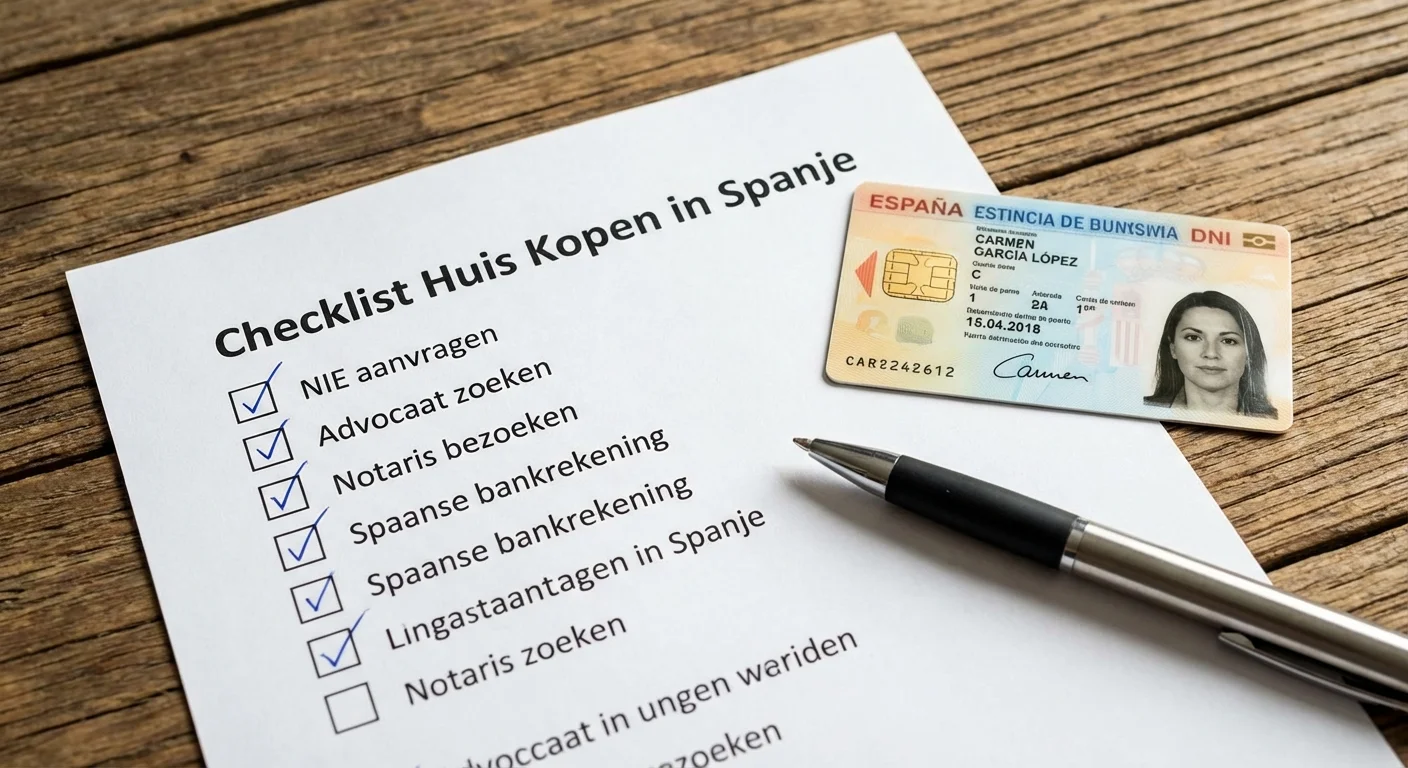
Stap 2: Uw NIE-nummer aanvragen
Het NIE-nummer (Número de Identidad de Extranjero) is uw fiscale identificatienummer als buitenlander en de absolute basis van elke vastgoedtransactie in Spanje. Zonder dit nummer kunt u geen bankrekening openen, geen nutsvoorzieningen aanvragen en zeker geen eigendomsakte ondertekenen. U vraagt het aan bij het Spaanse consulaat in eigen land of ter plaatse bij de Policía Nacional in Spanje. Omdat de wachttijden flink kunnen oplopen, staat deze stap met stip vooraan in uw planning.
In onze gedetailleerde uitleg over het aanvragen van uw NIE-nummer leest u precies welke documenten u nodig heeft en hoe u het traject versnelt. Veel kopers uit België, Nederland en Duitsland laten deze aanvraag via een volmacht regelen, zodat zij niet zelf hoeven af te reizen.
Stap 3: Een Spaanse bankrekening openen
Het openen van een Spaanse bankrekening lijkt een formaliteit, maar is een logistieke noodzaak. Hoewel u binnen de eurozone vlot kunt overschrijven, eisen veel Spaanse nutsbedrijven (water, elektriciteit, internet) een lokaal rekeningnummer voor de domiciliëring. Bovendien wordt de betaling van de woning bij de notaris vaak voldaan via een gegarandeerde bankcheque van een Spaanse bank. Zet deze stap dus ruim op tijd op uw lijst, zodat alles geregeld is voordat de notaristafspraak nadert.
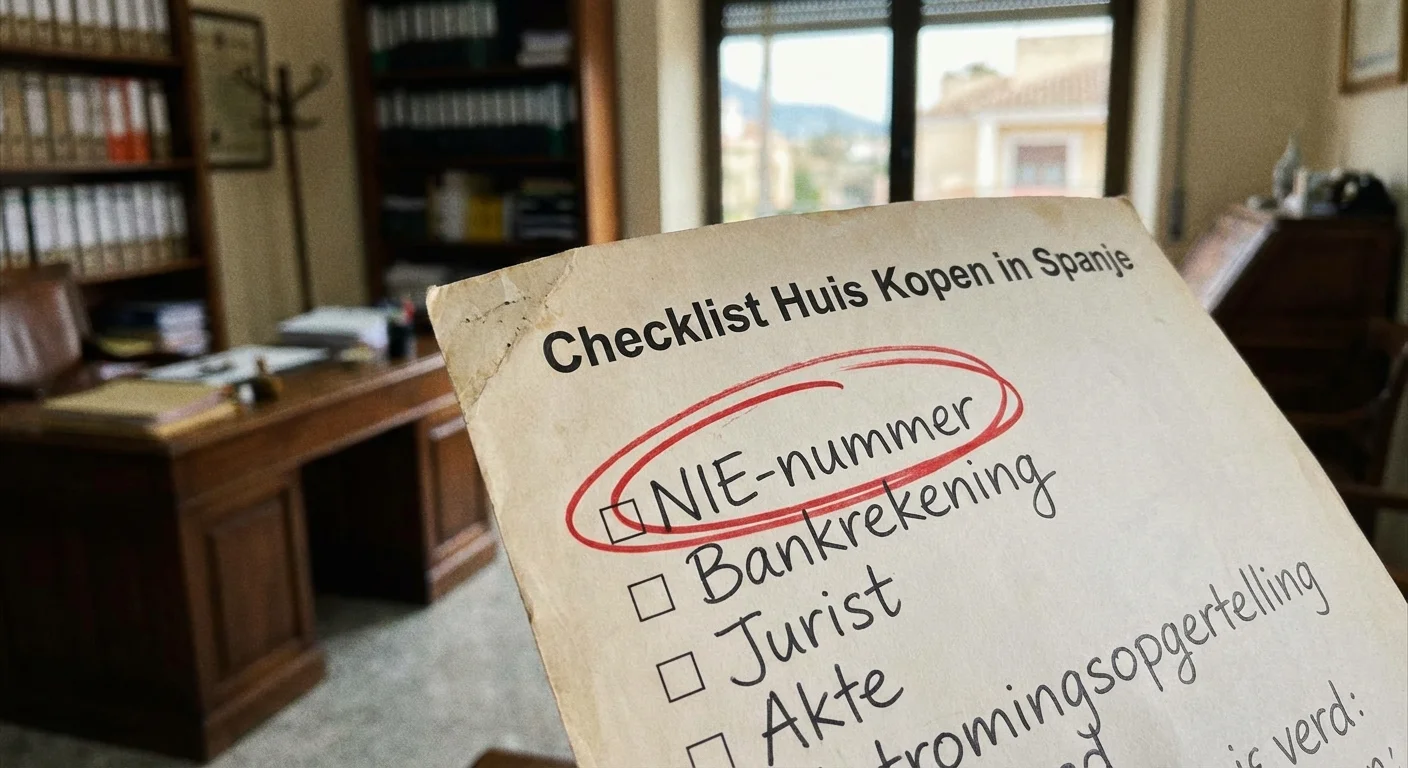
Stap 4: Een makelaar en aankoopbegeleiding kiezen
Een betrouwbare partner ter plaatse is misschien wel de belangrijkste stap in deze checklist. Een goede estate agent in Spain kent de lokale markt, opent deuren naar panden die nog niet openbaar staan en vertaalt de Spaanse gebruiken naar uw situatie. Let er wel op dat de makelaar doorgaans namens de verkoper werkt. Voor een onafhankelijke vertegenwoordiging van uw eigen belang is professionele aankoopbegeleiding daarom geen overbodige luxe.
Hoe u kaf van koren scheidt, leest u in onze gids over het herkennen van een betrouwbare makelaar and about de rol van de makelaar bij uw aankoop. Een ervaren begeleider die uw taal spreekt, behoedt u voor de meest voorkomende fouten en onderhandelt scherper namens u.
Stap 5: De juiste woning en locatie selecteren
De Costa Blanca biedt voor elk profiel iets. In het noorden vindt u in Dénia, Jávea, Altea en Moraira een groene, exclusieve sfeer met pijnboombossen en baaien, geliefd bij wie rust en charme zoekt. Het zuiden, met Torrevieja, Orihuela Costa en Pilar de la Horadada, kent meer zon op jaarbasis, een levendiger aanbod en aantrekkelijke prijzen, ideaal voor een tweede verblijf of een vakantiewoning met verhuurpotentieel. Zoekt u juist luxe en exclusiviteit, dan kan ook Ibiza in beeld komen.
Bepaal vooraf wat voor u doorslaggevend is: nabijheid van de zee, voorzieningen, bereikbaarheid van de luchthaven of het rendement bij verhuur. Wilt u zicht op de actuele markt, neem dan een kijkje in ons actuele aanbod van vastgoed in Spanje en verdiep u in de keuze tussen nieuwbouw en bestaande bouw, want die beslissing bepaalt mee uw belastingdruk en oplevertermijn.
Stap 6: De Nota Simple opvragen en de juridische controle
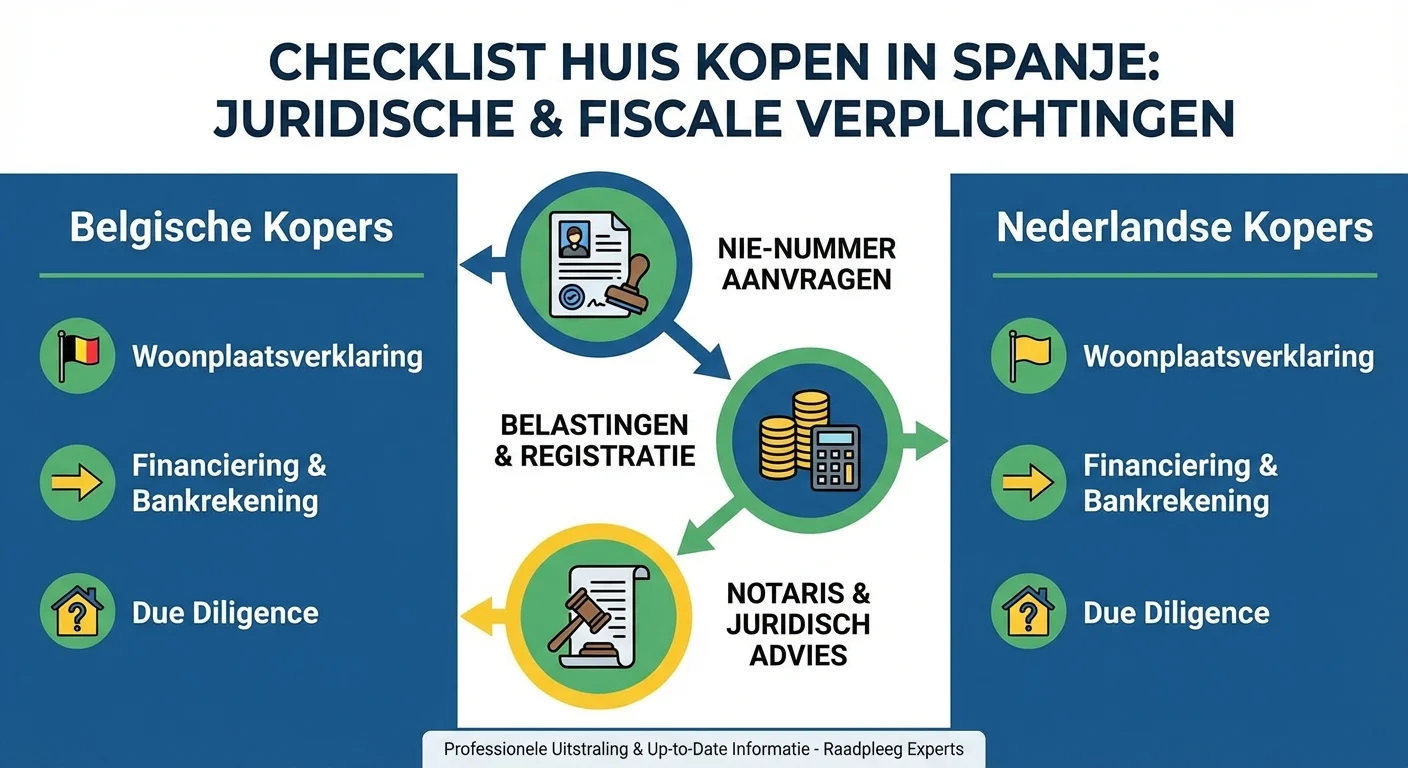
Hier ligt het hart van een veilige aankoop. In Spanje voert de notaris geen diepgaand onderzoek uit naar de legaliteit van de bouw of verborgen schulden. Daarom schakelt u een onafhankelijke advocaat (abogado) in die voor u de Nota Simple opvraagt bij het Registro de la Propiedad, het eigendomsregister. Dit document bevestigt wie de werkelijke eigenaar is en of er hypotheken, beslagen of andere lasten op het pand rusten. Een online Nota Simple kost in 2026 slechts €9,02 plus btw via registradores.org, een verwaarloosbaar bedrag tegenover de zekerheid die het biedt.
Uw advocaat controleert daarnaast de stedenbouwkundige status, want vooral op het platteland (suelo no urbanizable) zijn woningen soms zonder de juiste vergunningen gebouwd. Verifieer of er een Licencia de Primera Ocupación of een Cédula de Habitabilidad aanwezig is, zodat de woning legaal bewoond en aangesloten mag worden. Lees in onze gids wat een Nota Simple precies is en waarom een grondige juridische controle onmisbaar is. Houd ook rekening met uw rechten bij verborgen gebreken (vicios ocultos): volgens het Código Civil geldt hiervoor een termijn van zes maanden, en voor nieuwbouw gelden de LOE-garanties van 1, 3 en 10 jaar.
Stap 7: Een bod uitbrengen en de woning reserveren
Heeft u uw woning gevonden en zijn de eerste controles gunstig, dan brengt u een bod uit. Vaak wordt vervolgens een reservatiecontract (Documento de Reserva) opgesteld, waarbij u een beperkt bedrag betaalt (doorgaans tussen de €3.000 en €6.000) om het pand van de markt te halen. Dat geeft uw advocaat de tijd om de volledige juridische controle af te ronden. Zorg dat in dit contract een ontbindende voorwaarde staat voor het geval er gebreken aan het licht komen.
De prijs ligt in Spanje vaker open voor onderhandeling dan u denkt. In onze gids over negotiating the price of a Spanish property leest u hoe u met lokale marktkennis een scherper bod uitbrengt zonder de deal te verspelen.
Stap 8: Het Contrato de Arras tekenen
Na de reservatie volgt het privé-koopcontract, het Contrato de Arras. Hierbij betaalt u doorgaans 10% van de koopsom. Dit is een bindende afspraak: trekt u zich als koper terug, dan bent u dit bedrag kwijt. Trekt de verkoper zich terug, dan moet hij u het dubbele terugbetalen. Dit systeem biedt beide partijen zekerheid en legt de definitieve voorwaarden en de leverdatum vast. Laat dit contract altijd door uw advocaat opstellen of controleren voordat u tekent.

Stap 9: Een hypotheek regelen (indien van toepassing)
Financiert u (deels) met een Spaanse hypotheek, regel deze dan parallel aan stap 7 en 8, want de bank heeft tijd nodig voor de taxatie en de goedkeuring. Als niet-resident kunt u doorgaans tot ongeveer 70% van de taxatiewaarde lenen. Houd er rekening mee dat de bank uw inkomen, lasten en de Nota Simple beoordeelt voordat zij een aanbod doet via het verplichte FEIN-document.
Wij begeleiden u graag bij het Applying for a mortgage in Spain. Verdiep u vooraf in de specifieke voorwaarden voor een mortgage for non-residents en in de documenten die u nodig heeft voor uw hypotheekaanvraag, zodat uw dossier compleet is en de goedkeuring vlot verloopt.
Stap 10: De notaris en de escritura
De dag van de overdracht vindt plaats bij de notaris. Hier worden de identiteiten gecontroleerd, de betalingen geverifieerd en de eigendomsakte (Escritura de Compraventa) voorgelezen en ondertekend. Spreekt u geen Spaans, dan is een beëdigd tolk of een tweetalige advocaat aanwezig. De notaris controleert ook of de IBI (onroerendezaakbelasting) van de voorgaande jaren is betaald, want die schuld kleeft aan het pand en gaat over op de nieuwe eigenaar.
De Spaanse notaris heeft vooral een legitimerende functie: zonder zijn tussenkomst kan de woning niet worden ingeschreven in het eigendomsregister. Wat u precies kunt verwachten, leest u in onze uitleg over de rol van de notaris in Spanje bij aankoop. Komt u termen tegen die u niet kent, raadpleeg dan ons overzicht van Spanish abbreviations and property terms.
Stap 11: Kosten koper, registratie en nutsvoorzieningen
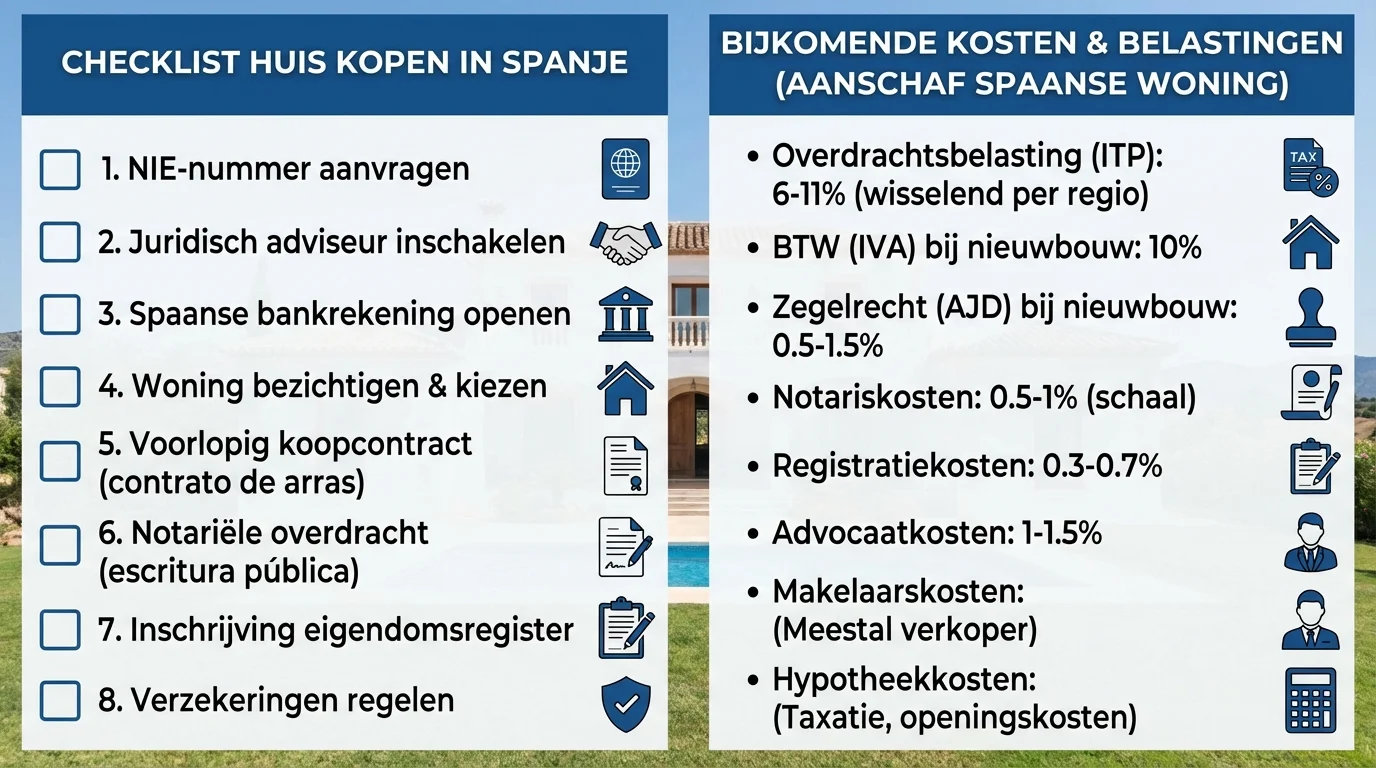
Na de ondertekening worden de belastingen afgedragen en wordt de woning op uw naam ingeschreven. De grootste kostenpost vormt de overdrachtsbelasting of btw: bij bestaande bouw betaalt u ITP (in de Comunidad Valenciana 10%, vanaf juni 2026 9% voor woningen tot €1.000.000), bij nieuwbouwwoningen 10% IVA plus AJD (zegelrecht). Daarnaast komen de notaris-, register- en advocaatkosten. Samen brengt dit de totale kosten koper op zo’n 10 tot 15% bovenop de aankoopprijs.
Vergeet niet de praktische afronding: zet water, elektriciteit en internet op uw naam en richt de domiciliëringen in via uw Spaanse bankrekening. Een gestor handelt de administratieve formaliteiten doorgaans voor u af. Wilt u alle kostenposten vooraf nauwkeurig kennen, lees dan onze gids over de Buyer’s costs in Spain and how to avoid miscalculations, en houd rekening met de jaarlijkse lasten zoals de IBI (ongeveer €200 per €100.000 woningwaarde) en de gemeenschappelijke kosten (comunidad).
Bent u niet-resident, dan komen er fiscale verplichtingen bij. Verhuurt u de woning, dan geldt een IRNR-tarief van 19% voor inwoners van de EU/EER (met aftrekbare kosten) via de aangifte Modelo 210. Verhuurt u niet, dan betaalt u jaarlijks belasting over een fictief inkomen (imputed income). Verdiep u in de Property taxes in Spain for 2026 en in de actuele tarieven van de overdrachtsbelasting.
Stap 12: Beheer na de aankoop
De aankoop is afgerond, maar uw checklist is dat nog niet helemaal. Wie niet permanent in Spanje verblijft, heeft baat bij goed beheer van de woning op afstand. Professioneel sleutelbeheer zorgt dat uw eigendom in topconditie blijft, dat sleutels veilig worden bewaard en dat problemen direct worden opgelost. Lees meer over de advantages of professional key management en ontdek onze diensten voor Maintenance and key management in Spain.
Heeft u uw woning gekocht als investering, dan is verhuur een aantrekkelijke optie. Het netto huurrendement voor een vakantiewoning aan de Costa Blanca ligt doorgaans tussen de 4 en 7% per jaar. Houd er wel rekening mee dat u in de Comunidad Valenciana een verhuurvergunning nodig heeft. Onze diensten op het gebied van property rental in Spain nemen u dit volledig uit handen, van vergunning tot gastenbeheer.
Bijzondere aandachtspunten voor Belgische en Nederlandse kopers
Voor Belgische kopers geldt dat u uw Spaanse woning verplicht moet aangeven bij de Belgische fiscus, die er een kadastraal inkomen aan toekent. Dankzij het dubbelbelastingverdrag betaalt u de belasting in Spanje, maar de waarde van de woning kan via het progressievoorbehoud wel uw Belgische tarief beïnvloeden. Nederlandse kopers geven de woning op in Box 3; door het belastingverdrag krijgt u meestal een vrijstelling, al telt de waarde mee voor de bepaling van drempels.
Deze grensoverschrijdende fiscale aspecten verschillen per land en per persoonlijke situatie. Win daarom advies in bij een specialist die beide stelsels begrijpt. In onze gidsen over de Tax in Belgium on a house in Spain and the Dutch tax on a house in Spain leest u hier meer over. Een goed onderbouwd plan voorkomt onaangename fiscale verrassingen achteraf.
Het kopen van vastgoed in Spanje is geen sprint, maar een marathon van zorgvuldigheid. Wie de juridische stappen overslaat om kosten te besparen, betaalt later vaak het dubbele om fouten te herstellen.
How we can help you
Bij Investeer in Spanje begeleiden wij dagelijks kopers uit België, Nederland, Duitsland en Frankrijk bij elke stap van deze checklist. Ons team, geleid door vastgoedexpert en CEO Kenzo Fayot, combineert lokale marktkennis aan de Costa Blanca met juridische zorgvuldigheid en uw taal. Of u nu een tweede verblijf in Jávea zoekt, een vakantiewoning met rendement in Orihuela Costa, of een investering aan de hand van solide investeringsadviezen: wij staan naast u, van de eerste bezichtiging tot het beheer na aankoop. Bekijk gerust ons volledige aanbod aan property services in Spain.
Wilt u zeker weten dat u geen enkele stap overslaat? Please feel free to contact us, with no obligation voor een persoonlijk gesprek. Wij denken graag met u mee, zodat uw droomwoning onder de Spaanse zon werkelijkheid wordt zonder zorgen.
Veelgestelde vragen over het kopen van een huis in Spanje
Wat is de eerste stap bij een checklist huis kopen in Spanje?
De eerste stap is uw budget bepalen inclusief de kosten koper, gevolgd door het aanvragen van uw NIE-nummer en het openen van een Spaanse bankrekening. Zonder NIE-nummer kunt u geen bankrekening openen of een akte ondertekenen, dus dit staat vooraan in elke checklist huis kopen in Spanje.
Hoeveel kosten koper moet ik incalculeren bovenop de aankoopprijs?
Reken op 10 tot 15% extra kosten bovenop de aankoopprijs voor overdrachtsbelasting (ITP) of btw (IVA), zegelrecht (AJD), notaris-, register- en advocaatkosten. In de Comunidad Valenciana daalt de ITP voor bestaande woningen vanaf 1 juni 2026 van 10% naar 9% voor woningen tot 1.000.000 euro.
Why is an independent lawyer crucial in the buying process?
Een onafhankelijke advocaat vraagt de Nota Simple op, controleert of de woning vrij is van schulden en beschikt over de juiste vergunningen, en gaat na of de verkoper daadwerkelijk de eigenaar is. In tegenstelling tot in België of Nederland voert de Spaanse notaris dit diepgaande onderzoek niet standaard voor u uit.
Wat is het Contrato de Arras?
Het Contrato de Arras is het bindende voorlopige koopcontract waarbij u doorgaans 10% van de koopsom betaalt. Trekt u zich als koper terug, dan bent u dit bedrag kwijt; trekt de verkoper zich terug, dan betaalt hij u het dubbele. Het legt de definitieve voorwaarden en de leverdatum vast.
As a non-resident, can I get a mortgage in Spain?
Ja, als niet-resident kunt u doorgaans tot ongeveer 70% van de taxatiewaarde lenen. De bank beoordeelt uw inkomen, lasten en de Nota Simple en doet een aanbod via het verplichte FEIN-document. Regel de hypotheek parallel aan de juridische controle, want de taxatie en goedkeuring kosten tijd.