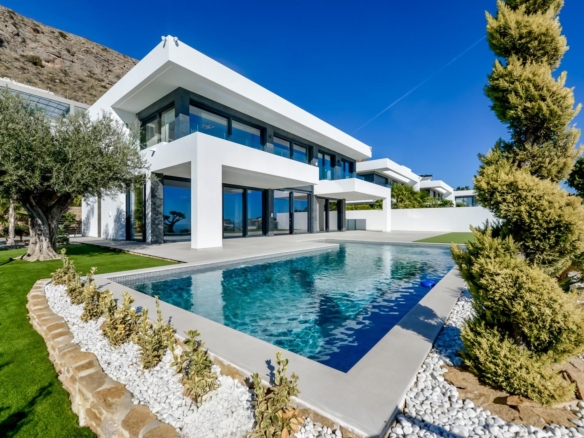
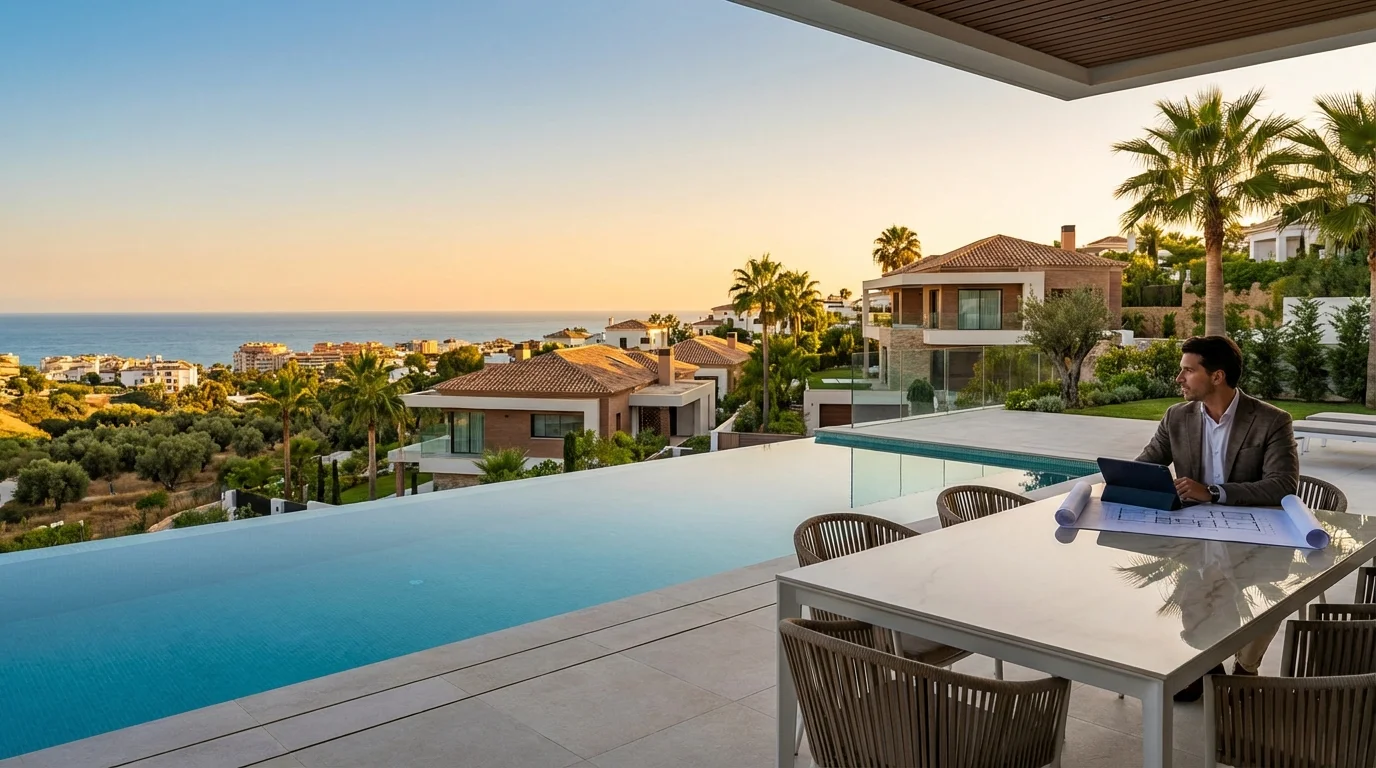
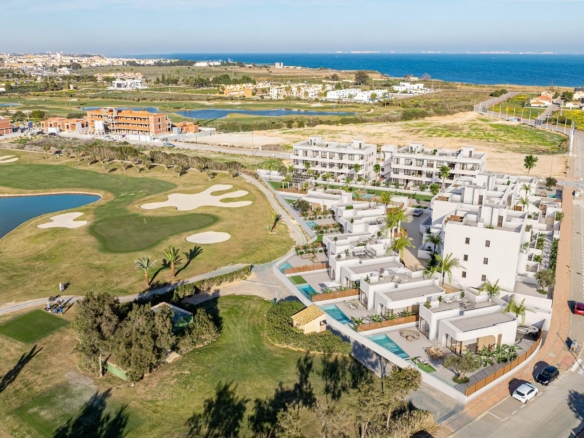
Costa Blanca Noord vs Zuid: waar kunt u het beste investeren? Kort gezegd: kiest u voor waardevastheid, exclusiviteit en een kapitaalkrachtig internationaal publiek, dan is het groene, heuvelachtige noorden (Dénia, Jávea/Xàbia, Moraira, Altea, Calpe, Benissa) uw regio. Zoekt u juist een lagere instapprijs, een hoger aanvangsrendement en een grote vakantieverhuurmarkt met veel Belgische en Nederlandse huurders, dan biedt het vlakkere zuiden (Torrevieja, Orihuela Costa, Guardamar, Pilar de la Horadada, La Zenia) de beste papieren. De juiste keuze hangt dus niet af van welke regio “beter” is, maar van uw budget, uw beleggingshorizon en de levensstijl die u voor ogen heeft.
In dit artikel vergelijken wij beide kuststreken systematisch op de punten die er voor u als koper of belegger werkelijk toe doen: vastgoedprijzen, netto huurrendement, het type koper en huurder dat u aantrekt, de bereikbaarheid via de luchthavens van Alicante en Valencia, en de dagelijkse levensstijl. Aan het einde geven wij een concrete afweging per investeerdersprofiel, zodat u — of u nu uit België, Nederland, Duitsland of Frankrijk komt — met vertrouwen een onderbouwde beslissing kunt nemen.
Costa Blanca Noord vs Zuid: de kern van de keuze
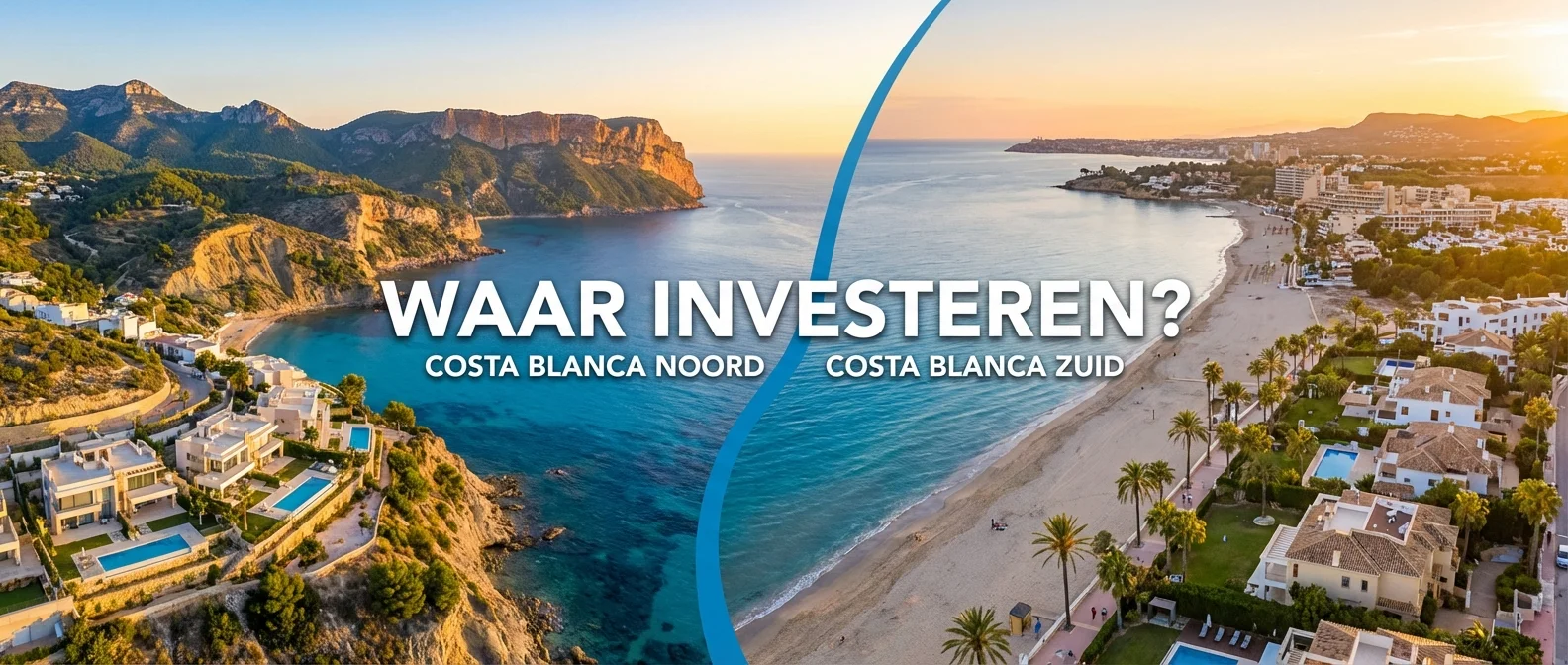
De Spaanse vastgoedmarkt blijft een magneet voor internationale investeerders die levenskwaliteit en financieel rendement willen combineren. Wie de oostkust verkent, stuit onvermijdelijk op de vraag: Costa Blanca Noord of Zuid? De twee streken delen hetzelfde uitstekende klimaat en dezelfde groeiende vraag, maar verschillen wezenlijk in landschap, prijsniveau en demografisch profiel. Het noorden staat bekend om zijn weelderige groene bergen, intieme baaien en exclusieve villa’s; het zuiden trekt kopers aan met vlakke, brede zandstranden en een toegankelijker prijssegment.
Het maken van de juiste keuze hangt volledig af van uw persoonlijke doelen en van de balans die u zoekt tussen directe huuropbrengsten en waardestijging op de lange termijn. Een belegger die mikt op een snelle terugverdientijd uit toeristische verhuur, zal andere accenten leggen dan een koper van een tweede verblijf die vooral hecht aan rust, privacy en een waardevast object. Het begrijpen van deze regionale dynamiek is dan ook cruciaal voor elke serieuze koper. Wilt u eerst het bredere kader zien, dan biedt onze pagina over real estate investments in Spain een complete inleiding op de markt.
De geografische contrasten en marktdynamiek
In het noorden, rond steden als Altea, Calpe, Moraira en Jávea, is bouwgrond schaars door het bergachtige terrein. Die schaarste drijft de prijzen op en creëert een gevoel van exclusiviteit. In het zuiden, met gebieden zoals Torrevieja, Orihuela Costa, Guardamar en Pilar de la Horadada, vindt u uitgestrekte vlaktes en een grootschaliger aanbod aan appartementen en geschakelde woningen. Voor wie maximale waardestijging nastreeft, is het noorden vaak de favoriet vanwege die beperkte beschikbaarheid. De lagere instapprijzen in het zuiden maken het gebied juist toegankelijk voor wie een stabiele cashflow uit vakantieverhuur zoekt.

De keuze tussen beide zones beïnvloedt niet alleen uw initiële investering, maar ook het type huurder dat u gedurende het jaar aantrekt. Het noorden trekt een kapitaalkrachtig publiek aan dat rust en privacy zoekt; het zuiden is populair bij gezinnen, gepensioneerden en overwinteraars die de nabijheid van voorzieningen, golfbanen en winkelcentra waarderen. Zo ontstaat een wezenlijk verschil in strategie: jaagt u op een nichemarkt met hoge marges, of op een massamarkt met een constante stroom huurders?
“De sleutel tot succes in Spanje is niet het kopen van stenen, maar het begrijpen van de micro-locatie binnen de Costa Blanca.”
Om een weloverwogen beslissing te nemen, loont het de regio’s eerst op hoofdlijnen te onderscheiden:
- Landscape: bergachtig en groen in het noorden, vlak en zonnig in het zuiden.
- Price level: hogere instapkosten in het noorden, meer betaalbaarheid in het zuiden.
- Accessibility: het noorden leunt op Alicante en deels Valencia, het zuiden op Alicante en Murcia.
- Rental potential: exclusieve luxeverhuur in het noorden, brede vakantie- en overwinteringsmarkt in het zuiden.
Het landschap: bergachtige kustlijn versus vlakke zandstranden
De visuele diversiteit valt vaak als eerste op wanneer u beide streken bezoekt. In het noorden wordt het panorama gedomineerd door de uitlopers van de bergen die tot aan de azuurblauwe zee reiken, met spectaculaire kliffen en intieme baaien. Dit landschap heeft directe gevolgen voor de schaarste van bouwgrond en daarmee voor de waarde van het onroerend goed op de lange termijn. Het zuiden kenmerkt zich juist door uitgestrekte, goudgele vlaktes en kilometerslange zandstranden.
De ruige elegantie van het noorden
In het noordelijke segment vindt u een weelderig, groen decor dat doet denken aan de Franse Rivièra. De bergen zorgen niet alleen voor een prachtig uitzicht, maar fungeren ook als een natuurlijk schild tegen koude winden, wat een uniek microklimaat creëert. Voor investeerders betekent het bergachtige terrein dat er minder ruimte is voor grootschalige projecten, wat de exclusiviteit verhoogt. Bij de afweging voor luxe vastgoed scoort het noorden vaak hoger vanwege de privacy en het panoramische zeezicht dat de hellingen bieden aan prestigieuze villa’s in Altea, Moraira, Benissa en Dénia. Voor het topsegment kijken sommige kopers zelfs verder dan de Costa Blanca, richting eilanden als Ibiza, maar de noordkust biedt op het vasteland het meest complete luxeaanbod.

De beperkte bouwgrond in het noorden houdt het aanbod krap, wat gunstig is voor waardevastheid. De zuidelijke regio biedt een compleet ander perspectief. Hier is het landschap overwegend vlak, wat heeft geleid tot brede, toegankelijke zandstranden en grootschalige urbanisaties met moderne appartementencomplexen en uitgebreide faciliteiten. Voor maximaal verhuurrendement is dat een doorslaggevende factor: de directe toegankelijkheid van de stranden oefent een enorme aantrekkingskracht uit op gezinnen en toeristen die zon, zee en gemak zoeken zonder steile wandelingen.
Toegankelijkheid en ruimtelijke ordening in het zuiden
In het zuiden voegen de zoutmeren van Torrevieja een uniek ecologisch en gezondheidsaspect toe aan de omgeving. Door de vlakke topografie is de infrastructuur vaak moderner en ruimer opgezet, met brede boulevards en gemakkelijke verbindingen naar commerciële centra zoals Zenia Boulevard. De instapprijs per vierkante meter ligt er doorgaans lager, wat het gebied bijzonder populair maakt bij een breed publiek: van gepensioneerden en overwinteraars tot Belgische en Nederlandse gezinnen die een betaalbare tweede woning zoeken. Het resultaat is een constante vraag op de huurmarkt gedurende vrijwel het hele jaar.
- Noord: bergachtig, groen, exclusieve baaien en veel privacy.
- Zuid: vlak, uitgestrekte zandstranden, zoutmeren en hoge toegankelijkheid.
- Impact: het landschap bepaalt de bouwstijl én de schaarste van het aanbod.
Vastgoedprijzen vergelijken: noordelijke luxe versus zuidelijke betaalbaarheid
De geografische prijsverschillen zijn essentieel om te begrijpen. In het noorden, met exclusieve badplaatsen zoals Altea, Moraira en Calpe, liggen de vierkantemeterprijzen aanzienlijk hoger dan in het vlakkere zuiden. Deze regio trekt een kapitaalkrachtiger publiek aan dat bereid is te betalen voor privacy, panoramisch zeezicht en een groenere omgeving. De schaarste aan bouwgrond in de heuvelachtige gebieden drijft de prijs van zowel bestaande bouw als nieuwbouwprojecten op. Het gevolg is een markt die minder gevoelig is voor economische schommelingen, maar een hogere instapdrempel kent.
Houd er bij elke aankoop rekening mee dat de kosten koper in Spanje doorgaans 10 tot 15% bovenop de aankoopprijs bedragen. Bij bestaande bouw betaalt u overdrachtsbelasting (ITP); bij nieuwbouwwoningen geldt 10% IVA plus zegelrecht (AJD). Goed nieuws voor de Comunidad Valenciana: het ITP-tarief daalt vanaf 1 juni 2026 van 10% naar 9% voor woningen tot € 1.000.000. Een volledige uitsplitsing vindt u in ons overzicht van de buyer's costs in Spain, en het verschil tussen beide bouwtypen leggen wij uit in new-build or existing properties in Spain.
De prijsdynamiek in het zuiden
Het zuidelijke deel, met steden als Torrevieja, Orihuela Costa en Pilar de la Horadada, biedt een veel toegankelijker prijsniveau voor starters en kopers van een tweede verblijf. Hier vindt u een overvloed aan appartementen en geschakelde woningen die ideaal zijn voor de verhuurmarkt. De prijzen liggen lager, maar de concurrentie tussen verhuurders is groter, wat de netto huuropbrengsten kan beïnvloeden. Grondig onderzoek naar de lokale marktverzadiging is daarom verstandig voordat u uw kapitaal vastlegt.

Het zuiden biedt vaak een hoger direct rendement op korte termijn door de lagere aanschafwaarde. De populariteit bij toeristen zorgt voor een constante stroom potentiële huurders, mits u de lokale regelgeving respecteert. Wel gaat een lagere prijs vaak samen met een hogere bebouwingsdichtheid, wat de exclusiviteit van uw object kan beïnvloeden. Het noorden blijft stabieler tijdens crises, terwijl het zuiden sneller profiteert van een economische opleving. Voor wie de cijfers concreet wil maken, helpt onze gids om het rendement van een vakantiewoning te berekenen — als richtcijfer geldt een netto huurrendement van 4 tot 7% per jaar.
“The northern region is synonymous with prestige and tranquillity, while the south drives the accessible holiday market and quick transactions.”
Houd bij uw berekening ook rekening met de fiscale en juridische vereisten. Niet-residenten betalen 19% over hun netto huurinkomsten als EU/EER-burger (kosten aftrekbaar, aangifte via Modelo 210), en 24% over de bruto inkomsten van buiten de EU. Een veelgemaakte fout is het onderschatten van de bureaucratie rond verhuur; verdiep u daarom op tijd in de rental licence in Spain om onaangename verrassingen te voorkomen.
Rendement en koperstype: wie investeert waar?
De vraag naar kwaliteitswoningen stijgt in beide regio’s, maar het rendementsprofiel verschilt sterk. In het zuiden profiteert u van een hoge bezettingsgraad door de populariteit bij toeristen en overwinteraars, wat resulteert in een directer rendement op uw kapitaal. Het noorden biedt een stabielere waardeontwikkeling, omdat het aanbod de vraag simpelweg niet kan bijhouden. Kort samengevat: het zuiden is ideaal voor directe inkomsten, het noorden voor waardevastheid.
Ook het kopersprofiel verschilt. Het noorden trekt vermogende kopers aan uit Noord-Europa — vaak Nederlanders, Duitsers en welgestelde Belgen en Fransen — die een luxe tweede verblijf of een waardevast pensioenobject zoeken. Het zuiden is van oudsher het domein van Belgen en Nederlanders die een betaalbare vakantiewoning of overwinteringsplek kopen, vaak met het oog op verhuur in de maanden dat zij er zelf niet zijn. Wie als Belg koopt, vindt in onze gids over Buying property in Spain as a Belgian de fiscale en praktische aandachtspunten op een rij.
Operationele kosten en beheer
Het beheren van een huurobject brengt kosten met zich mee die uw netto rendement beïnvloeden, ongeacht de regio. Bij kortetermijnverhuur houdt u rekening met schoonmaak, sleuteloverdracht en commissies voor boekingsplatformen, die kunnen oplopen tot twintig procent van de omzet. Langetermijnverhuur kent lagere operationele kosten, maar de Spaanse huurwetgeving beschermt de huurder sterk, wat risico’s bij wanbetaling met zich meebrengt. Veel investeerders kiezen daarom voor een hybride model: zelf gebruiken in het laagseizoen en verhuren tijdens de piekmaanden. Wie op afstand belegt, is gebaat bij professioneel maintenance and key management, zodat de woning ook zonder uw aanwezigheid in topconditie blijft en verhuurklaar is.
“Choosing the right location not only determines your rent, but also the type of tenant you attract and the long-term sustainability of your investment.”
Toeristische infrastructuur en voorzieningen in beide regio’s
Tussen de twee gebieden bestaat een duidelijk onderscheid in voorzieningen. In het noorden vindt u een gevestigde, vaak exclusievere infrastructuur: steden als Altea en Dénia beschikken over luxe jachthavens, gastronomische sterrenrestaurants en kleinschalige boetiekhotels die een kapitaalkrachtig publiek aantrekken. Het zuiden onderging de afgelopen decennia een enorme transformatie, met grootschalige winkelcentra zoals Zenia Boulevard en talloze moderne golfresorts die het hele jaar door toeristen trekken. De kwaliteit van die voorzieningen heeft directe invloed op de bezettingsgraad van uw vakantiewoning.
Gezondheidszorg, transport en commerciële faciliteiten
De bereikbaarheid is in beide regio’s uitstekend, maar de interne mobiliteit verschilt. In het zuiden zijn de wegen vaak breder en moderner opgezet, met vlotte verbindingen tussen de urbanisaties en de kustlijn. Het noorden biedt een schilderachtiger ervaring met kronkelende wegen langs de kliffen — prachtig voor toeristen, maar soms uitdagender voor dagelijks woon-werkverkeer. De aanwezigheid van internationale scholen en moderne ziekenhuizen in beide regio’s is een geruststellende factor die de vastgoedwaarde ondersteunt, zeker voor gezinnen en expats die zich permanent willen vestigen.

Het recreatieaanbod is divers: van de ruige wandelpaden in de bergen van de Marina Alta tot de uitgestrekte zandstranden en zoutmeren rondom Torrevieja, Guardamar en Orihuela Costa. Een cruciaal aspect blijft de regelgeving rond toeristische verhuur, die per gemeente verschilt. Verdiep u op tijd in de lokale vergunningseisen en vermijd overhaast handelen. Lees daarom ook over de dangers of off-plan property buying in Spain om onnodige risico’s tijdens de bouwfase van nieuwe projecten te voorkomen. In het zuiden ziet u vaker grootschalige nieuwbouwprojecten, terwijl het noorden zich richt op renovatie en kleinschalige luxe-ontwikkeling.
Bereikbaarheid: luchthaven Alicante versus Valencia (en Murcia)
De logistieke toegankelijkheid is een van de meest doorslaggevende factoren, zowel voor eigen gebruik als voor verhuurrendement. De keuze tussen noord en zuid wordt vaak beslist op basis van de reistijd vanaf de grote luchthavens. De luchthaven van Alicante-Elche (ALC) fungeert als de centrale spil voor de hele regio en biedt het hele jaar door talloze vluchten vanuit Nederland, België, Duitsland en Frankrijk.
De strategische ligging van de luchthavens
Alicante is de vijfde drukste luchthaven van Spanje en vormt de levensader van de regio. Voor het noorden — met steden als Altea, Calpe en Dénia — betekent dit een autorit van 45 tot 75 minuten via de AP-7. Het uiterste noorden van de Costa Blanca, rond Dénia en Jávea, ligt bovendien binnen comfortabel bereik van de luchthaven van Valencia, wat de keuze aan vluchten vergroot. In het zuiden liggen populaire bestemmingen zoals Torrevieja, Orihuela Costa en Pilar de la Horadada op slechts 30 tot 40 minuten van Alicante, terwijl de luchthaven van Murcia (RMU) een rustig alternatief biedt voor het uiterste zuiden. Die korte reistijden maken het zuiden bijzonder aantrekkelijk voor korte vakanties en weekendtrips, wat de vraag naar vakantiewoningen ten goede komt.
“Proximity to an international airport is the most important predictor of the value retention of holiday homes in the Alicante region.”
Vervoersopties en infrastructuur
De infrastructuur rond beide regio’s is uitstekend, met enkele subtiele verschillen. In het noorden zorgt het bergachtige terrein voor prachtige routes maar soms langere reistijden naar het achterland. Het zuiden is vlakker, waardoor de verbindingen tussen kust en luchthavens directer zijn. De belangrijkste praktische voordelen op een rij:
- Directe busverbindingen van de luchthaven naar de grote kuststeden.
- Uitstekend onderhouden snelwegen (AP-7 en N-332).
- Talloze autoverhuurbedrijven direct op de terminals.
- Future extensions of the rail network towards the south.
Verhuurpotentieel: korte termijn versus lange termijn
De keuze tussen vakantieverhuur en permanente bewoning is cruciaal voor uw rendement. In het noorden, met Altea, Moraira en Dénia, ligt de focus op de luxe vakantiemarkt: toeristen betalen hoge weekprijzen voor villa’s met zeezicht, al kan de bezetting in het diepe naseizoen lager liggen. In het zuiden, rond Torrevieja, Guardamar en Orihuela Costa, is de markt toegankelijker en is er een constante stroom van vakantiegangers én overwinteraars uit Noord-Europa die de wintermaanden in Spanje doorbrengen. Dat zorgt voor een stabielere cashflow over twaalf maanden, hoewel de maandhuren over het algemeen lager liggen dan de exclusieve tarieven in het noorden.
Kortetermijnverhuur biedt vaak de hoogste bruto inkomsten, maar vereist een actieve beheerstrategie en een geldige toeristenvergunning. Controleer vóór elke aankoop bovendien de juridische status van het pand. Een Note Simple toont aan wie de eigenaar is en of er hypotheken of lasten op het pand rusten — een document dat sinds 2026 online slechts € 9,02 plus btw kost. Lees ook hoe u zich beschermt tegen verborgen gebreken in Spanje, waarvoor de wettelijke termijn bij bestaande bouw zes maanden bedraagt.
Levensstijl en cultuur: authentieke dorpen versus moderne resorts
Bij de uiteindelijke knoop speelt de dagelijkse levensstijl een doorslaggevende rol. In het noorden domineren glooiende bergen, groene valleien en historische dorpen zoals Altea en Jávea/Xàbia. Hier proeft u de authentieke Spaanse cultuur in smalle straatjes, waar de lokale bevolking de boventoon voert en de architectuur streng gereguleerd is om het klassieke karakter te behouden. De sfeer is exclusiever en rustiger, en trekt een type koper aan dat bereid is meer te betalen voor privacy en esthetiek. Het zuiden biedt daarentegen een bruisende, kosmopolitische dynamiek met moderne resorts en uitgestrekte stranden die ideaal zijn voor gezinnen en actieve vakantiegangers.
De charme van traditie in het noorden
In het noorden draait alles om kwaliteit boven kwantiteit. De bouwstijl is traditioneler, met witgekalkte muren en terracotta daken die opgaan in de natuurlijke omgeving. Wees wel waakzaam voor de juridische status van karakteristieke panden: oudere woningen zijn door de jaren heen vaak aangepast zonder de juiste vergunningen. Controleer daarom op een illegal construction in Spain voordat u tekent. Deze historische charme brengt een unieke levensstijl met zich mee, met lokale markten, wijngaarden en gastronomie als kern van de dagelijkse ervaring.

De culturele verschillen beïnvloeden direct de bezettingsgraad. In het zuiden, rond Torrevieja en Orihuela Costa, is de infrastructuur volledig ingericht op toerisme, met grote winkelcentra, golfbanen en een internationaal georiënteerde gemeenschap waarin Belgen en Nederlanders sterk vertegenwoordigd zijn. De beslissing is daarmee vaak een keuze tussen een nichemarkt met hoge marges en een massamarkt met een constante stroom huurders. Overweeg de volgende punten:
- Noord: focus op luxe villa’s, natuurlijke schoonheid en een rustiger levenstempo.
- Zuid: focus op appartementen, moderne faciliteiten en een levendig sociaal leven.
- Noord: hogere instapprijzen, maar doorgaans een betere waardevastheid.
- Zuid: lagere instapdrempels en een zeer hoge liquiditeit op de verkoopmarkt.
Populaire locaties in het noorden: Altea, Jávea en Dénia
Drie namen springen er in het noorden direct uit: Altea, Jávea/Xàbia en Dénia, aangevuld met Moraira, Calpe en Benissa. Altea staat wereldwijd bekend om zijn iconische kerk met de blauwe koepel en de witgekalkte huizen tegen de heuvels. Jávea biedt een unieke mix van rotsachtige baaien en een mondaine jachthaven, terwijl Dénia de balans vindt tussen een historische stadskern en een moderne infrastructuur met directe veerverbindingen naar de Balearen. Deze locaties trekken een kapitaalkrachtig publiek aan dat rust, privacy en een authentieke levensstijl zoekt te midden van een indrukwekkend berglandschap.
Investeringspotentieel en exclusiviteit
In het noorden geldt kwaliteit boven kwantiteit. De bouwvoorschriften zijn strenger, waardoor grootschalige hoogbouw wordt vermeden en de natuurlijke schoonheid behouden blijft. Die schaarste ondersteunt de prijzen. Beleggers kiezen vaak voor luxe villa’s met panoramisch zeezicht in Altea Hills of moderne appartementen nabij de haven van Dénia. Het publiek is internationaal en divers, wat zorgt voor een constante vraag naar zowel koopwoningen als hoogwaardige vakantieverhuur gedurende het hele jaar.
“De exclusiviteit van Altea en Jávea zorgt voor een vastgoedmarkt die minder gevoelig is voor economische schommelingen dan de massatoerismegebieden.”
- Altea: kunstzinnige sfeer en luxe urbanisaties zoals Altea Hills.
- Jávea: prachtige baaien zoals Granadella en een gezellige oude binnenstad.
- Dénia: gastronomische hoofdstad met een rijke historie en uitgestrekte zandstranden.
Populaire locaties in het zuiden: Torrevieja, Orihuela Costa en omgeving
In het zuiden vallen Torrevieja en Orihuela Costa direct op als koplopers voor internationale kopers, met Guardamar, Pilar de la Horadada en La Zenia als populaire aanvullingen. Deze gebieden staan bekend om uitgestrekte zandstranden, levendige boulevards en een zeer gunstig prijsniveau vergeleken met het bergachtige noorden. Het zuiden biedt een toegankelijke instapprijs met een hoog potentieel voor vakantieverhuur, mede dankzij de milde winters die het seizoen verlengen.
De aantrekkingskracht van Orihuela Costa
Orihuela Costa is een paradijs voor golfers en strandliefhebbers, met bekende wijken zoals La Zenia en Cabo Roig die een constante stroom toeristen trekken. De infrastructuur is uitstekend ontwikkeld, met het grootste winkelcentrum van de provincie Alicante binnen handbereik. De bezettingsgraad blijft hier uitzonderlijk hoog, mede door de nabijheid van voorzieningen en de uitstekende verbindingen met de luchthavens van Alicante en Murcia — essentieel voor een succesvolle belegging.
“Opting for the south is often a choice for a vibrant lifestyle and a solid financial base due to lower acquisition costs and high rental demand.”
Voorzieningen en rendement in Torrevieja
- Hoge huuropbrengsten door populariteit bij Belgische, Nederlandse en andere Europese toeristen.
- Extensive medical facilities and international schools.
- Large range of modern new builds at competitive prices.
- An active community that provides liveliness even in the off-season.
De keuze tussen de ruige natuur van het noorden en de zonnige zandstranden van het zuiden is uiteindelijk bepalend voor uw rendement. Wie zich oriënteert op de bredere kaart van kansrijke gebieden, vindt in ons overzicht van de best regions for property investment de context om beide kuststreken in perspectief te plaatsen.
De afweging per investeerdersprofiel
Geen enkele regio is objectief “beter” — het hangt af van wie u bent en wat u zoekt. Hieronder vertalen wij de vergelijking naar concrete profielen:
- De rendementgedreven belegger: kiest doorgaans voor het zuiden (Torrevieja, Orihuela Costa, La Zenia). Lagere instapprijs, hoger aanvangsrendement en een grote, jaarrond actieve vakantieverhuurmarkt.
- De vermogensbeschermer: kiest voor het noorden (Altea, Moraira, Dénia, Benissa). Schaarste en exclusiviteit zorgen voor waardevastheid en een markt die minder gevoelig is voor schommelingen.
- De koper van een tweede verblijf met verhuur erbij: vindt in het zuiden de beste prijs-kwaliteitverhouding voor een betaalbare woning die zichzelf deels terugverdient.
- De gepensioneerde overwinteraar: profiteert in het zuiden van het milde winterklimaat, de vlakke wandelomgeving en de grote Noord-Europese gemeenschap.
- De liefhebber van natuur, privacy en cultuur: voelt zich thuis in het groene, heuvelachtige noorden, waar een luxe villa met zeezicht de norm is.
Welke regio ook past bij uw profiel, een grondige analyse van uw persoonlijke doelen blijft cruciaal. Begin uw zoektocht gerust in beide streken via onze database — u kunt direct Search for property in Spain en het aanbod in noord en zuid naast elkaar leggen.
How we can help you
At Investeer in Spanje / Luxe Vastgoed Groep begeleiden wij dagelijks kopers en investeerders uit België, Nederland, Duitsland en Frankrijk bij hun aankoop aan de Costa Blanca — zowel in het exclusieve noorden als in het rendabele zuiden. Ons team staat onder leiding van vastgoedexpert en CEO Kenzo Fayot en combineert lokale marktkennis met een volledig pakket aan diensten: van makelaardij en aankoopbegeleiding tot investeringsadvies, het regelen van uw mortgage in Spain, juridische controle, verhuurbeheer, onderhoud en sleutelbeheer. Zo neemt u uw beslissing niet op basis van een algemene indruk, maar op basis van objectieve cijfers en concrete objecten die passen bij uw profiel.
Twijfelt u nog tussen noord en zuid, of wilt u een vrijblijvende vergelijking van het actuele aanbod? Please feel free to contact us — wij denken graag met u mee en helpen u de regio te kiezen die het beste aansluit bij uw financiële strategie en levensstijl.
Veelgestelde vragen over Costa Blanca noord vs zuid
Wat zijn de belangrijkste verschillen tussen Costa Blanca noord en zuid?
Het noorden (Dénia, Jávea, Moraira, Altea, Calpe, Benissa) is groener, heuvelachtig en exclusiever, met hogere prijzen en een internationaal, Noord-Europees publiek. Het zuiden (Torrevieja, Orihuela Costa, Guardamar, Pilar de la Horadada, La Zenia) is vlakker, betaalbaarder en biedt een hoger aanvangsrendement met een grote vakantieverhuurmarkt en veel Belgische en Nederlandse kopers.
Waar is het netto huurrendement hoger: noord of zuid?
Het zuiden biedt doorgaans een hoger aanvangsrendement door de lagere aankoopprijs en de hoge, jaarrond bezettingsgraad. Als richtcijfer geldt een netto huurrendement van 4 tot 7% per jaar. Het noorden levert vaak een lager direct rendement, maar compenseert dat met een sterkere waardevastheid op de lange termijn.
Welke luchthaven gebruik ik voor het noorden en welke voor het zuiden?
Beide regio’s worden vooral bediend door de luchthaven van Alicante-Elche (ALC). Het uiterste noorden, rond Dénia en Jávea, ligt daarnaast binnen bereik van de luchthaven van Valencia. Het uiterste zuiden kan ook gebruikmaken van de luchthaven van Murcia (RMU). De reistijden vanaf Alicante variëren van 30-40 minuten (zuiden) tot 45-75 minuten (noorden).
Wat kost een aankoop bovenop de vraagprijs?
Reken in beide regio’s op 10 tot 15% kosten koper bovenop de aankoopprijs. Bij bestaande bouw betaalt u overdrachtsbelasting (ITP), bij nieuwbouwwoningen 10% IVA plus zegelrecht (AJD), aangevuld met notaris-, register- en advocaatkosten. In de Comunidad Valenciana daalt het ITP-tarief vanaf 1 juni 2026 van 10% naar 9% voor woningen tot € 1.000.000.
Voor welk profiel is welke regio het meest geschikt?
Wie mikt op direct rendement en vakantieverhuur is doorgaans beter af in het zuiden. Wie waardevastheid, exclusiviteit en privacy zoekt, kiest het noorden. Gepensioneerde overwinteraars voelen zich vaak thuis in het zuiden vanwege het milde klimaat, terwijl liefhebbers van natuur en cultuur de voorkeur geven aan het groene noorden.