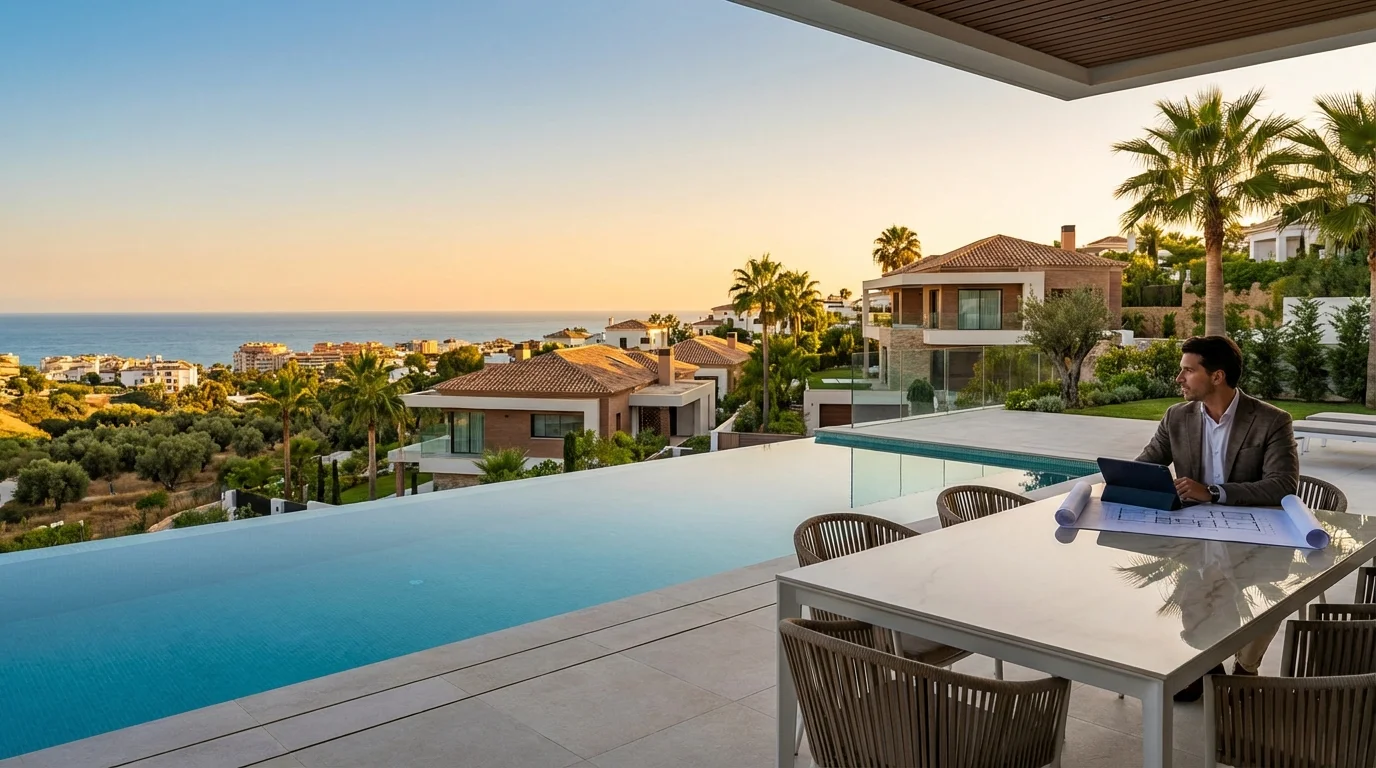
Emigrating to Spain is the ideal step for those who dream of a sunny life on the Costa Blanca at favourable costs. By choosing this region, you will enjoy a Mediterranean lifestyle, affordable housing and a climate that enhances your quality of life. Many Dutch people are seriously considering emigrating to Spain because of the lower fixed costs and relaxed culture around Alicante.
The decision to emigrate to Spain offers a unique opportunity for financial freedom and peace of mind.
The advantages of emigrating to Spain for seniors are considerable. daily shopping and catering prices are on average thirty per cent lower than in the Netherlands. Consider the low cost of living, the wide range of affordable homes for sale and more than three hundred sunny days a year.
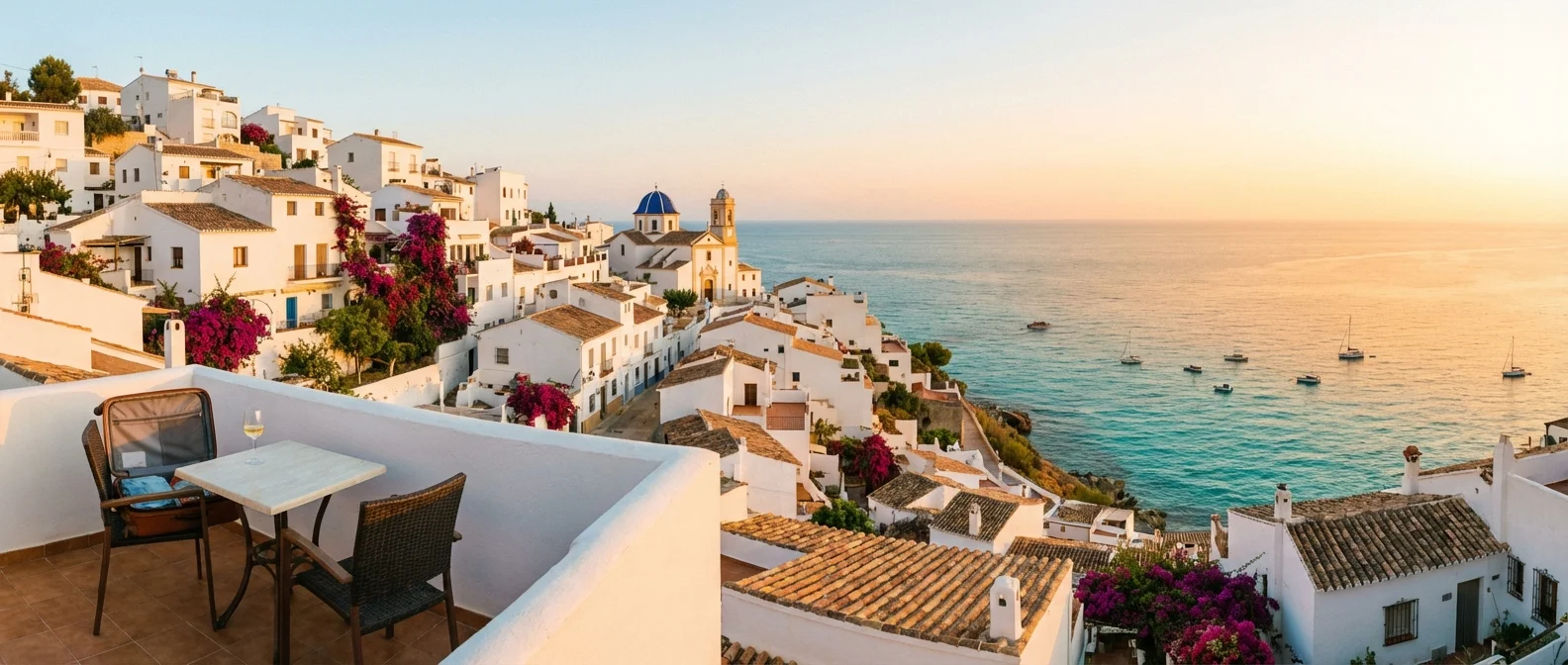
Proper preparation for the housing market is essential for those who want to permanently emigrate to Spain and work or enjoy a pension.
Why emigrating to Spain is the right choice
The dream of a new life under the Mediterranean sun is a powerful motivation for many to pack their bags. Emigrating to Spain is not just a move. it is a conscious choice for a quality existence in which tranquillity, culture and a pleasant climate take centre stage. Whether you are looking for a vibrant city like Valencia or the serene tranquillity of the Andalusian hills, the country's diversity offers something for everyone. The process of emigrating to Spain often starts with the desire for more freedom and less daily stress, something deeply rooted in Spanish culture.
Spain offers a unique balance between modern comforts and traditional values often lost elsewhere in Europe.
When you tie the knot, you will find that the Spanish lifestyle has an immediate impact on your well-being. Outdoor living is the norm here, not the exception. Thanks to mild winters and long summers, you will spend more time in nature or on a terrace, which is essential for a healthy mind. Moreover, the Spanish property market currently very accessible to northern Europeans, making your dream home closer than you think. It is therefore no surprise that emigrating to Spain with a family is becoming increasingly popular among young entrepreneurs and families seeking a better work-life balance.
The benefits of the Spanish lifestyle
One of the country's biggest draws is undoubtedly its gastronomy and social cohesion. Spain is all about community and family, which makes for a warm welcome for newcomers. Those who choose to emigrate to Spain opt for long lunches, fresh produce from the local market and a pace that forces you to slow down. This rhythm makes you enjoy the little things more, such as a walk along the coastline at sunset or a conversation with neighbours in the village square. The healthcare in Spain is also highly regarded worldwide, which is an added reassurance for those looking to settle here permanently.
“Spain is not just a country, it is a state of mind where the sun always finds a way to your heart.”
Besides the social aspects, there are also practical reasons that make emigrating to Spain attractive to investors and bon vivants:
- Low cost of living compared to the Netherlands and Belgium.
- Excellent infrastructure and connections to the rest of Europe.
- A tax environment that can be favourable to certain types of entrepreneurs.
- The opportunity to invest in Spanish property stable in value.
It is important to prepare well for this big move. For more in-depth information on the regions and legal aspects, please visit our blog page where we regularly share new insights. Emigrating to Spain requires good planning, but the reward is a life full of colour and vitality. The decision to moving south will change your perspective on living and working forever, as the Spanish sun warms not only your skin, but also your ambitions.
Costa Blanca's most popular regions to live in
For decades, the Costa Blanca has been one of the most popular destinations for Europeans dreaming of a new life under the sun. If you are considering emigrating to Spain, this coastline offers an unprecedented diversity of landscapes and lifestyles. From the rugged cliffs and green valleys in the north to the vast sandy beaches and salt lakes in the south, each region has its own unique character. Choosing the right location is crucial for your long-term residential enjoyment. Many people are guided by holiday experiences, but permanent living requires a different perspective on issues such as infrastructure, healthcare and the local community during the winter months.
The north of the Costa Blanca is known for its mountainous surroundings and picturesque towns like Jávea and Dénia, which have an upmarket feel.
In this region, you will find a harmonious mix of authentic Spanish culture and modern amenities. For those who want to Emigrating to Spain with the family, there are excellent international schools and sports facilities available. House prices tend to be a bit higher here, but you get spectacular views of the Mediterranean and greener surroundings in return. The climate here is slightly milder in summer, thanks to the proximity of the mountains that provide refreshing breezes. Moreover, the marinas and gourmet restaurants in towns like Altea are world-famous among epicureans.

The charm of the south and the role of local experts
The southern part of the Costa Blanca, with towns like Torrevieja and Orihuela Costa, attracts a large number of expats because of its affordability and excellent facilities. Emigrating to Spain here is facilitated by the huge international community, so you will quickly feel at home. The region is flatter, which is ideal for people who like cycling or walking along the coast. The salt lakes also provide a microclimate that has been rated one of the healthiest in the world by the World Health Organisation. This makes it a top choice for retirees and people with health issues.
In making this big step, it is essential to be well supported legally and administratively by professionals.
“Choosing a specific region determines not only your outlook, but also your daily quality of life and the legal procedures you have to go through.”
During the process of Emigrating to Spain outlook and planning you will find that there is a lot of paperwork involved. It is therefore wise to seek help from a local expert. A good advisor can help you navigate the Spanish bureaucracy. For more information on this topic, read why a gestor is indispensable when investing and living in this region. They will make sure your registration and tax matters run smoothly so you can concentrate on enjoying your new home.
Cost of living on the Costa Blanca in 2024
When considering taking the plunge and emigrating to Spain, a realistic picture of monthly expenses is essential for a successful transition. The Costa Blanca has been known for decades for its excellent value for money, but in 2024 we see that global inflation has left its mark here too. Despite this, life on the Spanish coast remains considerably more affordable than in the Netherlands or Belgium, especially when considering daily shopping, local taxes and leisure costs. It is this unique balance between a high standard of living and affordability that persuades thousands of Europeans every year to pack their bags and build a new life under the Spanish sun.
Daily food costs are on average 20-30% lower than in northern Europe, provided you choose local produce and markets.
Housing and fixed costs on the coast
Housing is often the biggest cost in the Emigrating to Spain process. Although rental prices have risen in popular cities such as Alicante and Benidorm, the surrounding villages still offer very attractive rates for spacious properties. In addition to the rent or mortgage, you should take into account the ‘comunidad’ - the fee for maintaining communal facilities such as swimming pools and gardens. These costs vary greatly from complex to complex, but are crucial for maintaining your property value. Also remember that energy costs can be erratic in Spain. although you may heat less in winter, the air conditioning often runs at full blast in the summer months, affecting your monthly budget.
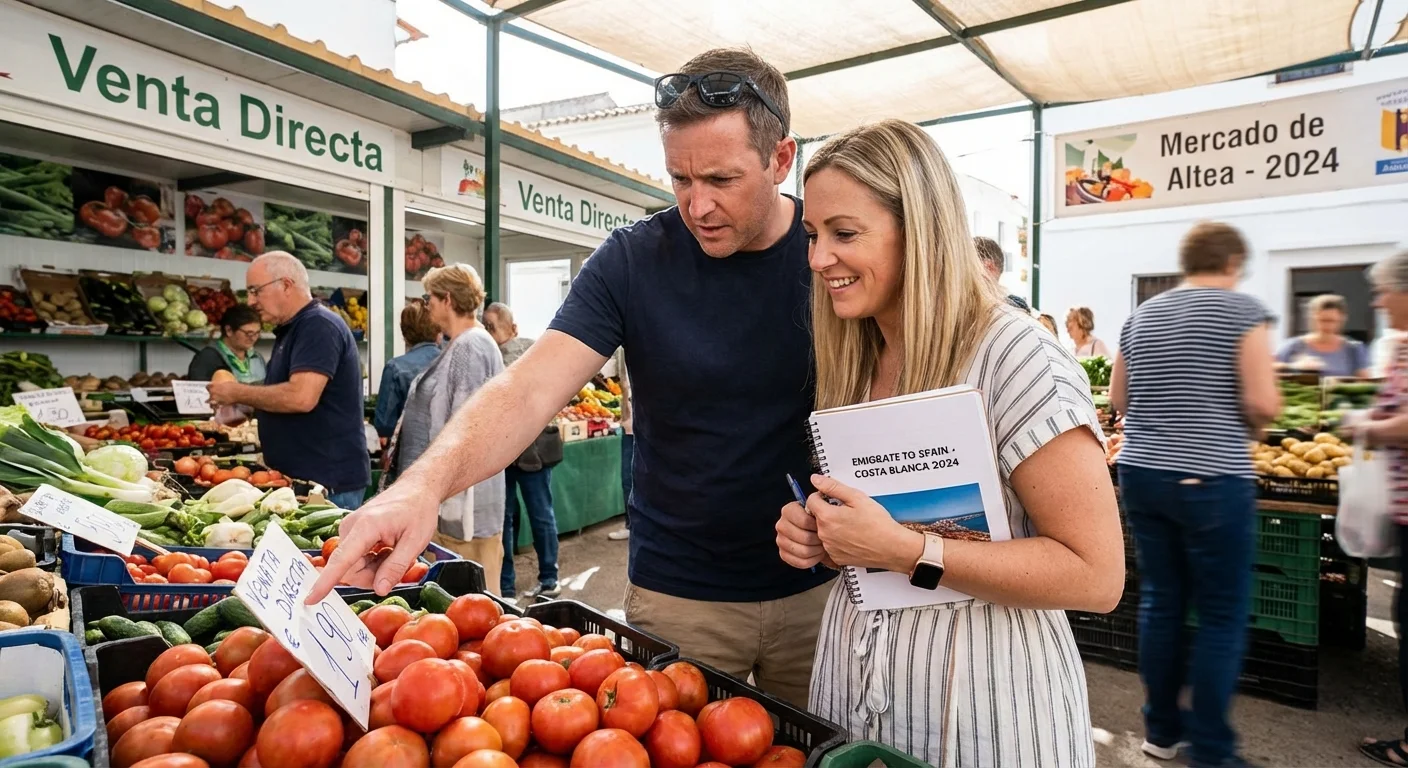
When calculating your budget, it is wise to also look at the legal side. Many people who Emigrating to Spain for work or pension, forget about the administrative costs associated with their new home. For those planning to rent out a property, it is essential to be aware of the Pitfalls when applying for a rental licence in Spain, as fines for illegal rentals can be high and directly disrupt your financial planning.
Life in Spain offers an enormous wealth of social contacts and outdoor activities that often cost little to nothing.
Gastronomy and social spending
One of the biggest advantages of Emigrating to Spain cost overview 2024 is the affordability of the catering industry. You can still enjoy a ‘menú del día’ for between 12 and 18 euros, including three courses and a drink. This makes social life extremely accessible and makes you eat out more often than you were used to in your home country. The Costa Blanca offers a wide range of options, from simple tapas bars to luxury restaurants, so there is a lifestyle to suit every budget.
Property prices: Buying or renting a house in Spain
When you make the final decision to Emigrate to Spain, the choice between buying or renting is one of the most crucial financial considerations you will make. The Spanish property market is diverse and prices vary enormously by region, from the affordable white villages in Andalusia to the exclusive penthouses in Madrid or Barcelona. It is essential to understand that initial purchase costs, such as transfer tax and notary fees, are significantly higher than in many other European countries, often between 10% and 13% of the purchase price. For many, the dream begins with a search for a permanent place under the sun, where a thorough analysis of the local market value is essential to avoid a mis-sale in this Mediterranean paradise.
Rents in popular coastal areas are rising steadily, causing sustainable living in Spain has become an attractive alternative to direct purchase for many expats.
Buying market dynamics and regional differences
Prices per square metre vary widely. while you can still succeed relatively cheaply in the Murcia region, on the Costa del Sol or on the Balearic Islands you will pay the top price. If you are considering Emigrating to Spain and buying a property, must take into account the legal complexities of the process. It is not unusual for buyers to be enticed by new construction projects that have yet to be realised. However, always be alert to the dangers of off-plan property buying in Spain, as delays or legal complications may overshadow your dream start. A local lawyer is therefore not a luxury, but an absolute necessity during this journey.
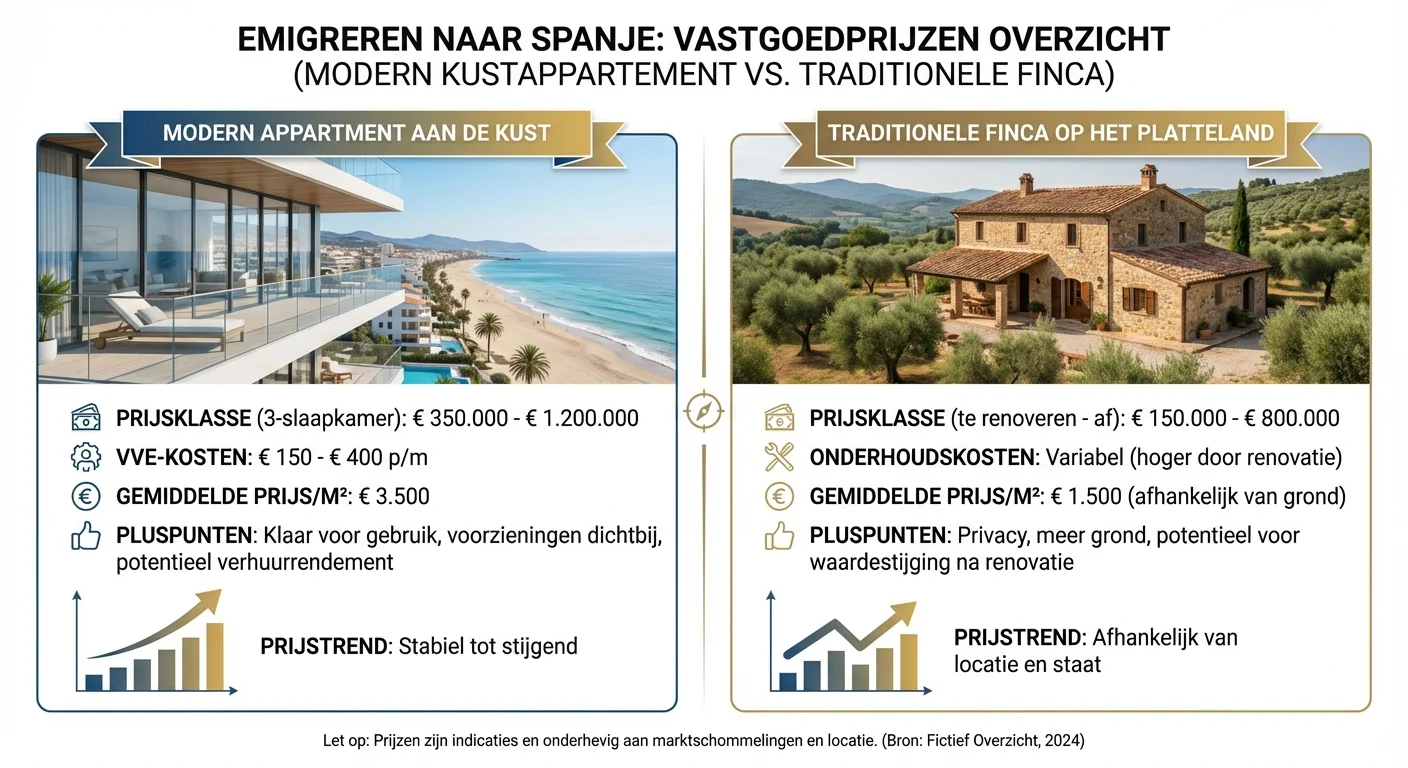
Many newcomers choose to rent for the first year to explore the neighbourhood before committing permanently to a specific location or housing type.
“Renting a property offers the flexibility needed to understand the nuances of the Spanish lifestyle without immediately making a large capital investment.”
When renting a property, you will have to deal with the ‘Ley de Arrendamientos Urbanos’ (LAU), the law regulating the rights of tenants and landlords. For those emigrating to Spain for work, a long-term rental contract (contrato de larga duración) is often the most stable option, as it offers more protection than holiday rentals. When signing a contract, pay close attention to the security deposit and inventory list. Emigrating to Spain property cost overview shows that the monthly cost of rent is often lower than the total cost of ownership in the first few years, especially when maintenance and local taxes such as the IBI.
Healthcare and medical facilities for expats
When you take the final step and decide to Emigrate to Spain, the quality and accessibility of healthcare is one of the main pillars for a carefree life. Spain is known worldwide for its excellent medical facilities, which often score high in international rankings. The system is divided into a public sector, the Sistema Nacional de Salud (SNS), and an extensive private sector. For Dutch and Belgians settling here, this provides a reassuring safety net where modern technology and expert doctors are the standard in both urban areas and on the popular coastal regions.
The public system is free for anyone who pays social security contributions in Spain.
To access this state healthcare, you must register with the Seguridad Social. After registration, you will receive a personal healthcare card, the Tarjeta Sanitaria Individual, which allows you to visit local health centres (Centro de Salud) and public hospitals. The process of Emigrating to Spain and arranging care requires some administrative preparation, but once in the system, basic care is fully covered with no deductible. This is a crucial aspect for retirees and workers seeking a stable future under the Spanish sun without unexpected medical costs.
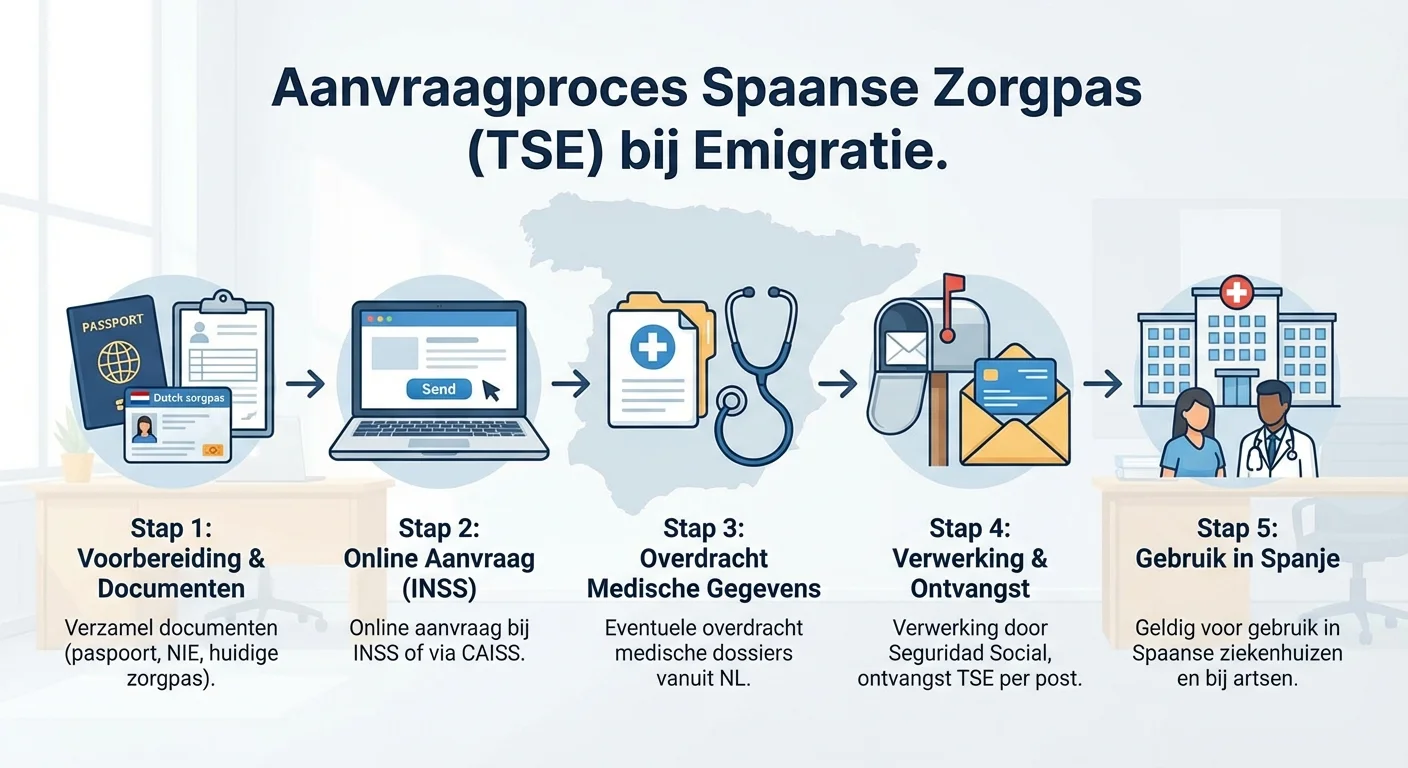
Private health insurance policies and benefits
Many expats choose at Emigrating to Spain preparation for medical expenses for additional private insurance to bypass public sector waiting times. Private clinics often offer shorter waiting times for specialists and operations, and you are more likely to have access to English- or Dutch-speaking staff. Moreover, premiums for private health insurance in Spain are relatively favourable compared to northern European standards, making it an attractive option for those who want extra comfort and speed when dealing with medical issues.
Choosing private care gives you direct access to a wide network of modern hospitals.
“Spanish healthcare combines human warmth with high-quality clinical expertise, which is essential for successful integration.”
Besides medical care, it is also wise to look at the financial prerequisites of your move. While safeguarding your health, you should also consider local taxes when buying a property. For more information on settlement costs, check out this article on transfer tax rates Spain 2026. Proper planning of Emigrating to Spain costs After all, includes both your physical well-being and your long-term financial health.
Remember to check the following on your arrival:
- Ask your NIE-number, this is essential for any official registration.
- Register with the municipality (padrón) to confirm your residence.
- Translate important medical records into Spanish for your new GP.
- Check whether your current medication is available under the same name at the Farmacia.
The climate on the Costa Blanca: what to expect?
When considering taking the plunge and emigrating to Spain, climate is often the deciding factor. The Costa Blanca is known worldwide for its exceptional weather conditions, which have even been declared one of the healthiest living environments on earth by the World Health Organisation. With more than three hundred sunny days a year, it is a paradise for those who want to leave the grey skies and rainy afternoons of northern Europe behind once and for all. The mild winters and warm summers create a lifestyle that is largely outdoors, which has a positive impact on both the physical and mental health of its inhabitants.
The stable weather makes emigrate to Spain for a better quality of life a very attractive option for both retirees and young families seeking peace and quiet.
The region's unique microclimates
Geographically, the Costa Blanca is blessed with a unique location between the mountains and the Mediterranean Sea. This creates a microclimate where extreme cold in winter is almost non-existent and the heat in summer is often tempered by a refreshing sea breeze. For people with rheumatic complaints or respiratory problems, this climate often offers enormous relief, as humidity remains relatively low and the temperature rarely drops below 10 degrees Celsius, even in the coldest months of the year. It is therefore no surprise that emigrating to Spain for the healthy sea air is a common motive among new residents.
“The sun on the Costa Blanca not only shines on your skin but also warms up your whole way of life, making every day feel like a new opportunity.”
During the process of permanently emigrate to Spain it is essential to understand how the seasons vary. While the summer months of July and August can be quite hot with temperatures above 30 degrees, spring and autumn are simply spectacular with mild, sunny afternoons. In winter, you can often still sit on a terrace in a T-shirt, while the rest of Europe struggles with snow and frost. This constant exposure to natural light boosts vitamin D levels and significantly improves general well-being.
- An average of 320 days of sunshine per calendar year.
- Mild winters with temperatures between 15 and 20 degrees during the day.
- Low humidity thanks to Torrevieja's proximity to the salt lakes.
- Warm, dry summers perfect for water sports enthusiasts.
Besides the weather, it is crucial to get your affairs in order before you leave. For example, pay close attention when selecting a property and avoid dealing with unreliable intermediaries who take advantage of your ignorance. Successful emigration to Spain Indeed, not only requires sunglasses, but also thorough legal and financial preparation to avoid disappointments.
Taxes and legal matters when emigrating to Spain
When you make the final decision to emigrate to Spain, you enter a complex playing field of tax rules and legal obligations that differ significantly from the Dutch situation. It is crucial to understand that from the moment you spend more than 183 days per calendar year in the country, you are officially considered a tax resident. This has far-reaching consequences for your income tax, wealth tax and the way you have to declare your worldwide assets to the Spanish tax authorities (Agencia Tributaria). Failure to meet these deadlines correctly can lead to unexpected retrospective tax assessments that can significantly disrupt your dream start.
The red tape requires careful preparation and patience when applying for your NIE number and residency card.
Tax residency and the duty to declare
As a resident, you are required to declare your worldwide income in Spain, regardless of where this income is generated. This includes salaries, pensions, rental income from abroad and dividends. A specific point to note when emigrating to Spain is the infamous ‘Modelo 720’. This is an informative tax return that requires you to declare all your foreign assets above €50,000 to the Spanish state. While this is not direct taxation, the penalties for not filling in this form or filling it in incorrectly have historically been very high, making it an essential part of your legal checklist.
The process of successfully emigrating to Spain and filing tax returns often requires the help of a local gestor or a specialised lawyer to avoid mistakes.
In addition to income tax, you should also take into account wealth tax (Impuesto over el Patrimonio), which differs from one autonomous region to another. In regions such as Madrid or Andalusia, there are often favourable exemptions, while other regions have stricter rates for wealthy individuals. It is therefore wise to research beforehand which region best suits your financial profile. Also, don't forget the local property tax (IBI) levied annually by the municipality on your Spanish home. Being well prepared for these cost items will ensure that there are no surprises during your first year in the sun.
Legal protection in real estate transactions
When buying a property during the process of emigrating to Spain, legal verification of the property is vital to avoid later claims. Many buyers make the mistake of blindly relying on verbal assurances from sellers or estate agents without checking the official documentation. An essential part of this is requesting a recent proof of ownership to check for debts or illegal conversions.
- Always ask for a Note Simple on to verify the current status of the property.
- Check that there are no outstanding debts on the property with the municipality.
- Get an official Spanish will to ensure the smooth succession of your Spanish assets.
- Engage an independent property consultant In.
Spanish culture and integration into the local community
When you make the final decision to immigrate to Spain, you enter a world that is all about social interaction, family and a relaxed pace of life. Spanish culture is deeply rooted in traditions that sometimes take some getting used to for foreigners, but are essential for successful integration. It is not just a matter of physically moving. it is about embracing a completely new mentality where the clock is less dominant than in northern Europe. If you open up to the local customs, you will find that Spaniards will welcome you with open arms and you will quickly become part of the neighbourhood.
The key to success is patience and a smile during your process of emigrating to Spain.
A crucial aspect of everyday life is language. Although you can get by with English in tourist areas, speaking Spanish opens the doors to the real Spain. It allows you to negotiate in the market, have a chat with neighbours and better understand official documents. While arranging your property, for example, it is useful to know what is a note simple, as this document is essential when purchasing property and increases your understanding of local bureaucracy.
Social etiquette and the Spanish daily schedule
The Spanish daily schedule differs greatly from what we are used to in the Netherlands, which has a big impact on the process of emigrating to Spain. The siesta is still a sacred moment of rest between two and five in the afternoon in many villages, with shops closing and streets emptying. Evening meals often don't take place until after nine in the evening, and social life largely takes place outside in the squares. It is customary to take extensive time for lunch, the most important meal of the day, with business conversations often flowing into personal anecdotes and friendships.
Integration also means participating in the local festivities and traditions in your new home town.
To speed up your integration, take the following steps that will enrich your experience:
- Visit local markets and buy from the small independents instead of big supermarkets.
- Join a local association, such as a sports club or cultural group.
- Learn the basics of the language and try to use it daily, even if you make mistakes.
- Respect rest times and adapt your own schedule to local customs.
- Invite your neighbours for drinks to strengthen the bonds between them.
“Understanding Spanish culture is the first step to a happy life under the sun. it's about connecting with the people around you.”
It is important to remember that emigrating to Spain experiences and tips often stress that bureaucracy can be slow. This requires a degree of flexibility and acceptance of the ‘mañana’ concept. By not swimming against the tide, but going with the local flow, you will reduce the stress that often accompanies an international move. Ultimately, you will discover that the quality of life when emigrating to Spain and improves dramatically on it.
Education and schools for international families
If you are considering going Emigrating to Spain with children, choosing the right school is one of the most crucial decisions you will make. The Spanish education system offers several options, ranging from public schools to prestigious international institutes. Many families choose international schools because they often offer a smooth transition for children who have not yet fully mastered the language. These schools usually follow the British or American curriculum, which is beneficial for your children's further academic career at a global level.
Integration into the local community is often faster through the public school system, which is essential when Emigrating to Spain.
Different forms of education in Spain
In Spain, you can choose between ‘público’ (public), ‘concertado’ (semi-private) and ‘privado’ (private). Public schools are free and offer an excellent way to learn the language at lightning speed. Semi-private schools are partly subsidised by the government and the church, while private and international schools are fully funded by tuition fees. It is important to remember that at Emigrating to Spain for families with school-age children application deadlines often fall early in spring, so good preparation is necessary to secure a place at your preferred school.
“The quality of education and the social environment will determine the success of your new life under the Spanish sun.”
Besides school choice, the security of your new home is a priority when Emigrating to Spain. Consider the security of your home in Spain to provide a safe base for your family.
Practicalities for registration
- Valid passport or identity card of the parents and the child.
- The ‘Empadronamiento’ (proof of registration with the municipality).
- Vaccination booklets and medical certificates from a doctor.
- Reports and certificates from the previous school in the Netherlands.
The process of Emigrating to Spain requires patience, especially in arranging all the red tape surrounding your children's education.
Practical tips for a successful move to the sun
The dream of a new life under the Spanish sun often starts with good preparation and clear planning. When you decide to Emigrate to Spain, there is a lot on your mind, from red tape to finding the perfect property in a region that suits your lifestyle. It is essential to consider not only the climate, but also local amenities and accessibility to healthcare facilities. A thorough study of the different autonomous regions will help you make an informed choice that suits your personal needs and future plans.
Remember that successfully emigrating to Spain with a family calls for extra attention to schools and social integration for children.
Administrative matters and integration
Arranging your NIE number is the first crucial step in the process of Emigrating to Spain. Without this identification number, you cannot open a bank account, buy a car or even sign an official rental contract. In addition, it is wise to start learning the Spanish language right away. Although you can get by with English in tourist areas, knowing Spanish opens doors to the local community and makes communication with official bodies significantly easier and more pleasant.
- Apply for your NIE number at the consulate or local police in time.
- Register with the municipality (Padrón) as soon as you have permanent residence.
- Make sure you have good health insurance that meets Spanish requirements.
- Find out about the tax implications of moving abroad.
“Good preparation is half the battle. those who speak the language and know the rules will feel at home faster in beautiful Spain.”
Home maintenance and aftercare
After moving in, maintaining your new property is a priority, especially if you are not there all year. It is advisable to keep your home in Spain winterised to avoid moisture problems and unnecessary wear and tear during the cooler months. Emigrating to Spain tips often include advice to hire a reliable local manager for periodic checks.
Ultimately, Emigrating to Spain is about finding the right balance between enjoying and organising for a worry-free future.
Ready for a new chapter under the sun?
The Costa Blanca offers a unique balance between affordability and a high quality of life. From the low property prices to the healthy Mediterranean cuisine. life here is simply more pleasant and financially accessible than in northern Europe.
Are you seriously considering emigrating to Spain? Then being well-prepared for local costs and regulations is essential for a worry-free start. Whether you choose the bustling coastal cities or the quiet mountain villages, the region welcomes you with open arms and a wonderful climate. Don't wait any longer for your dream home and start planning your move to this paradise today. Contact our advisers directly for a personalised plan of action and discover our latest home selection that perfectly matches your budget and wishes in the beautiful Costa Blanca region.
Frequently Asked Questions
What is the average cost of living on the Costa Blanca?
The cost of living on the Costa Blanca is on average 20% to 30% lower than in the Netherlands or Belgium. If you are considering emigrating to Spain, you will especially benefit from lower prices for fresh food, eating out and local property taxes.
How do you arrange the most important administrative matters for your move?
To successfully emigrate to Spain, you first need a NIE number for all official transactions. You also need to register with the municipality (padrón) and open a Spanish bank account to pay your fixed expenses and insurance locally.
Why do many people choose the Costa Blanca as a place to live?
The region is loved for its mild climate with more than 300 sunny days a year and excellent healthcare. Moreover, the Costa Blanca offers a perfect balance between modern amenities, beautiful beaches and a relaxed Mediterranean lifestyle.
Service & Contact
Location: costa Blanca, spain
Scope of work: belgium,netherlands,england,france,europe,america
Services: real estate agent,real estate brokerage, investment advisor,
Opening hours: Mon-Fri until 10 a.m.-5:30 p.m.