A thorough Legal Audit is essential to secure your Spanish dream without any financial risks afterwards. This procedure ensures that property titles are correct, there are no hidden debts on the property and all building permits comply with local legislation. Those buying property under the Spanish sun often face complex administration that differs greatly from Belgian practice. Without professional guidance, you risk heavy fines or demolition orders.
An expert verifies each document at the property registry for full assurance. This Legal Control in Property Acquisition offers peace of mind and protects your interests throughout the process.
- Verification of title deeds and cadastral data.
- Tracking down outstanding debts or mortgages.
- Control of urban planning infringements and permits.
- Assistance with the transfer at the Spanish notary.

What exactly does a Legal Audit on Spanish property entail?
Those dreaming of a second stay under the Spanish sun soon find themselves in a tangle of administrative rules and local legislation which differ greatly from Belgian standards. A Legal Audit is not an unnecessary luxury in this process, but an absolute necessity to protect your investment from hidden defects or urban planning infringements. This involves an in-depth examination of property titles, the tax status of the property and conformity with the local plans of construction, so you will not face any unpleasant surprises after signing the deed.
In essence, this check ensures that you buy exactly what is on paper, with no outstanding debts from the previous owner.

The fundamentals of research
While performing a thorough Legal Review a specialised counsel will verify that the seller is indeed the rightful owner and that there are no mortgages or encumbrances on the property. In Spain become mortgage debt namely often linked to the property rather than the person, which can make you, the buyer, unknowingly responsible for overdue taxes or unpaid bills from the co-owners' association. It also checks whether the Legal Verification of building permit and cadastral data fully corresponds to the physical reality of the building on the site.
It is crucial to understand that the Spanish notary fulfils a different role from the Belgian one. he checks the identity and the documents, but does not himself conduct a proactive investigation into the urban planning legality of the swimming pool or the extension.
“Without watertight controls, buyers risk heavy fines or even demolition orders from illegal structures that were never regularised.”
It is therefore advisable to seek timely professional advice through our blog about Spanish real estate for up-to-date information. A Legal Check at purchase usually includes the following essential steps:
- Verification of the ‘Note Simple‘ at the property register.
- Checking for the presence of the ‘Licencia de Primera Ocupación’.
- Confirmation that there are no pending sanctions with the municipality.
- Review of latest property tax payment receipts (IBI).

Protection against urban planning traps
An often underestimated aspect of Legal Control is the control of the so-called ‘Afectaciones’. These are restrictions that may be on the plot, such as coastal protection zones or future road works that may affect your property.
The importance of the land register and property register
When considering investing in property across the border, it is essential to understand that the administrative structure can be very different from what we are used to in Flanders. The land register and property register form the backbone of any secure real estate transaction. The land register is essentially an administrative inventory that focuses on the physical characteristics of a property, such as the exact location, dimensions and boundaries of the plot. A thorough Legal Audit starts by verifying that the data in the land registry does indeed correspond to the actual situation on the property, as discrepancies can cause major problems later on when it comes to conversions or resales.
The property register, on the other hand, confirms who the legal owner is and whether there are charges or debts on the property.
The synergy between administration and ownership
In practice, we often see discrepancies between these two bodies. It is therefore crucial to establish a in-depth Legal Review carried out before making any commitment. This process involves an expert checking whether the description in the deed matches the registration in both registers. If a swimming pool or outbuilding is physically present but not registered, this can lead to administrative fines or even demolition orders. Harmonising these details is a step that should never be skipped to avoid future headaches.
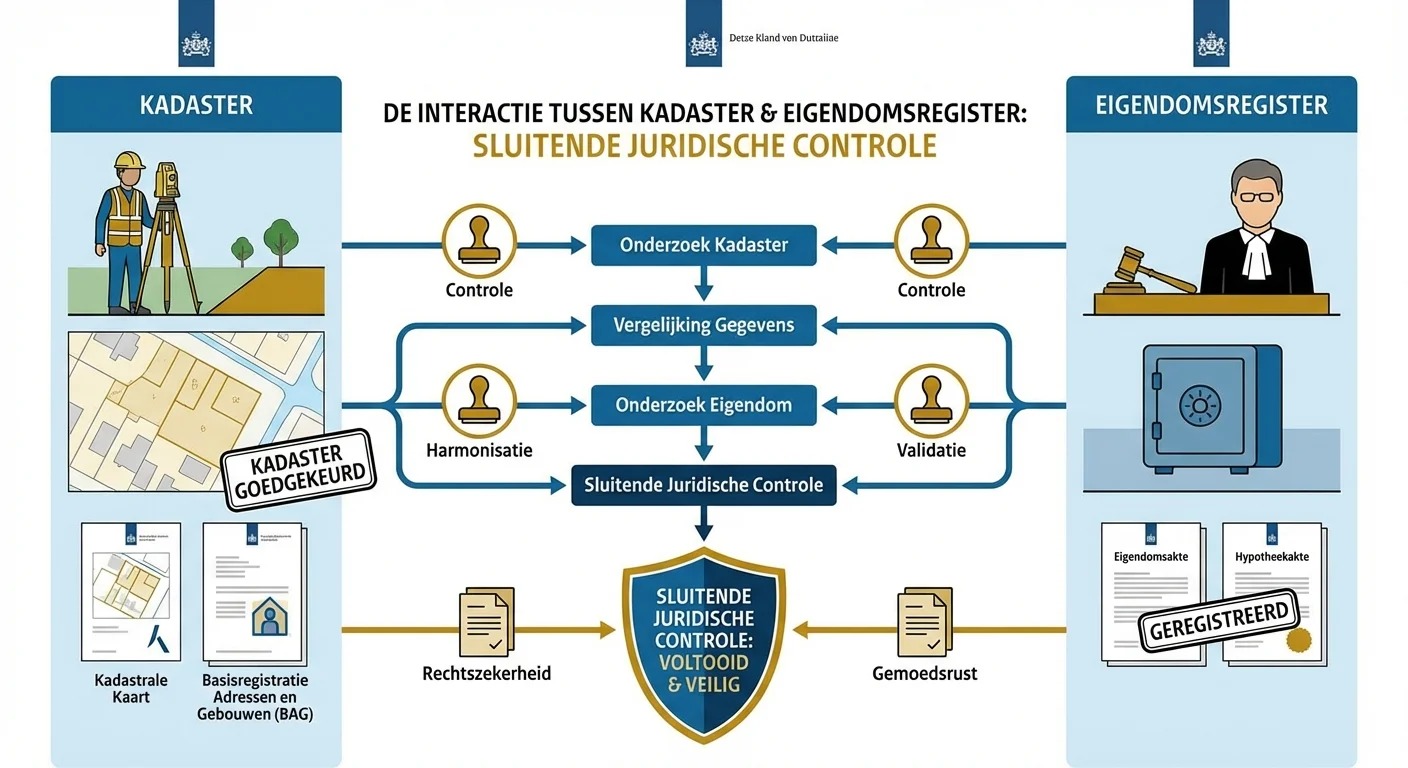
Consulting these registers provides you with the necessary assurance of the project's solvency. Without a correct Legal Audit you run the risk of unwittingly taking over debts from the previous owner, such as back taxes or unpaid community fees. Before taking the plunge for good, it is advisable to consider the checklist for emigration consult in order not to overlook any administrative obligations during this complex process.
“A watertight file with the property registry is the only guarantee that your investment is legally protected against third-party claims.”
Avoiding risks through verification
The role of the professional Legal Review is undeniable in this regard. A lawyer or gestor will request a ‘nota simple’, a document that gives an up-to-date overview of the status of the property. This will state whether there are mortgages on the property or legal attachments. Legal Audit for a safe property purchase requires a keen eye for detail, also looking at urban planning infringements that are not immediately visible in the base registers but do affect value.
- Verification of cadastral reference and boundaries.
- Check for outstanding debts with tax authorities.
- Confirmation of title in the register.
- Check for any usufruct or heirs.
Check urban planning infringements and local permits
When considering investing in Spanish property, it is crucial to have the urban planning status of the property thoroughly verified by an expert. In Spain, the rules around urban planning are complex, and they also dare to vary greatly from one autonomous region or municipality to another. A conclusive Legal Check ensures that you are not suddenly faced with historical building violations that the previous owner never regularised. Unfortunately, it happens more often than people think that a terrace, a swimming pool or even an entire floor was built without the necessary building permits, which can lead to heavy fines or, in the worst case, a demolition order from the local government. Without a thorough investigation, you run the risk of a cat in a bag, with incalculable financial consequences.
A thorough check of the title deed and cadastral data is the absolute basis for any buyer in this regard.
The role of the certificate of urban planning conformity
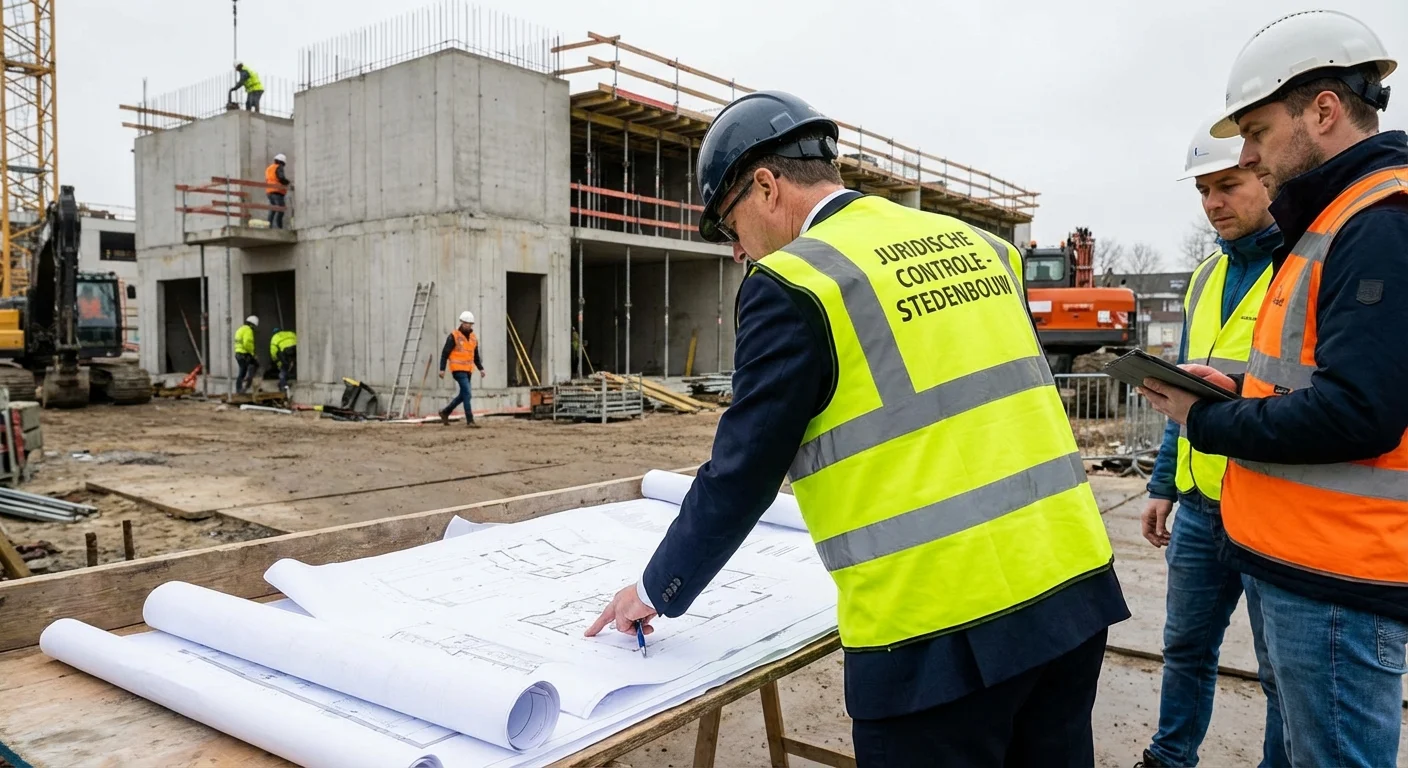
An essential part of this process is requesting the ‘Cedula de Habitabilidad’ or the ‘Licencia de Primera Ocupación’. These documents confirm that the property meets the legal habitability standards and that the infrastructure is correctly connected to the public grid.
During the Legal Review of property documents your lawyer will check whether these certificates are still valid and correspond to the current state of the building. If discrepancies are found between reality and the official plans at the town hall, this should be clarified immediately before you pay a deposit. Legal Review of Spanish building permits is therefore not an unnecessary luxury, but a necessary insurance for your capital. It prevents you from being held responsible for past mistakes that could negatively affect the value of your property.
“Ignoring local building regulations in Spain can lead to years of legal proceedings and unforeseen costs in a subsequent resale.”
Moreover, it is advisable to look into financing options, as banks often refuse to grant a loan for properties with irregularities. You can read more about this on the page about a mortgage in Spain as a non-resident To optimise your budgetary planning.
Local zoning plans and future developments
In addition to the current state of the building, a Watertight Legal Control also take into account the municipality's future plans. After all, it would be unfortunate should you buy a villa with a sea view, only to find out two years later that a flat block is being built in front of you due to a change in the zoning plan. Your legal counsel will make it ‘Plan General de Ordenación Urbana’ (PGOU) to see what developments are planned in the area.
The role of the lawyer and notary during Legal Review
At the buying a property in Spain engaging a specialised lawyer is not an unnecessary luxury, but an absolute necessity to protect your capital. While the broker focusing on the sale, the lawyer digs deep into the property's administrative history to uncover hidden defects or debts. This Legal Audit includes verifying the title deeds in the property register and checking that there are no overdue taxes or mortgages on the property. In Flanders, we are used to a very strict role of the notary, but in Spain the focus of the investigation work largely shifts to your own counsel defending your personal interests against the selling party.
A lawyer ensures that the full Legal Audit flawless by critically screening each document for irregularities.
The specific duties of the Spanish notary

The Spanish notary plays an official, neutral role which differs from the proactive attitude of a lawyer. The notary is responsible for drafting the public sale deed, known as the ‘Escritura’, and verifying the identity of the parties involved. Although the notary is also a form of Legal Control of real estate carries out, this is often limited to the basic legal requirements at the time of signing. It is therefore essential that your lawyer has completed all preparatory searches beforehand, so that you do not encounter unpleasant surprises at the notary when it comes to planning permission or the legality of outbuildings such as a swimming pool or terrace.
It is advisable to seek timely advice on the Legal Control steps for buyers to speed up the process and minimise risks.
Working together for a secure transaction
The synergy between the lawyer and the notary is the ultimate safety buffer for any investor looking at the best regions for property investment in the south. The lawyer prepares the file, communicates with the local authorities and ensures that all attestations, such as the certificate of habitability, are present. The notary then validates this information in an official document that is binding on the Spanish state. Without a thorough Legal Review by an expert you risk heavy fines or even demolition orders if the construction does not comply with local regulations. By using both professionals correctly, you will build a watertight file that will guarantee your property rights for the long term without any headaches.
The comprehensive Legal Review is the only way to sign at the notary's office with peace of mind.
Checklist for outstanding debts and tax liabilities
When you decide to purchase property in Spain, a thorough vetting of the property's financial status is indispensable. Unlike Belgian practice, debts in Spain are often linked to the property itself rather than the owner. A conclusive Legal Audit ensures that you are not suddenly held responsible for overdue property taxes (IBI) or unpaid bills from the co-owners' association. It is crucial to verify that all past tax obligations have been correctly fulfilled by the seller to avoid unpleasant surprises after the transfer.
The process of Legal Control in property purchase is the only way to guarantee complete peace of mind during your Spanish adventure.
Local taxes and common charges
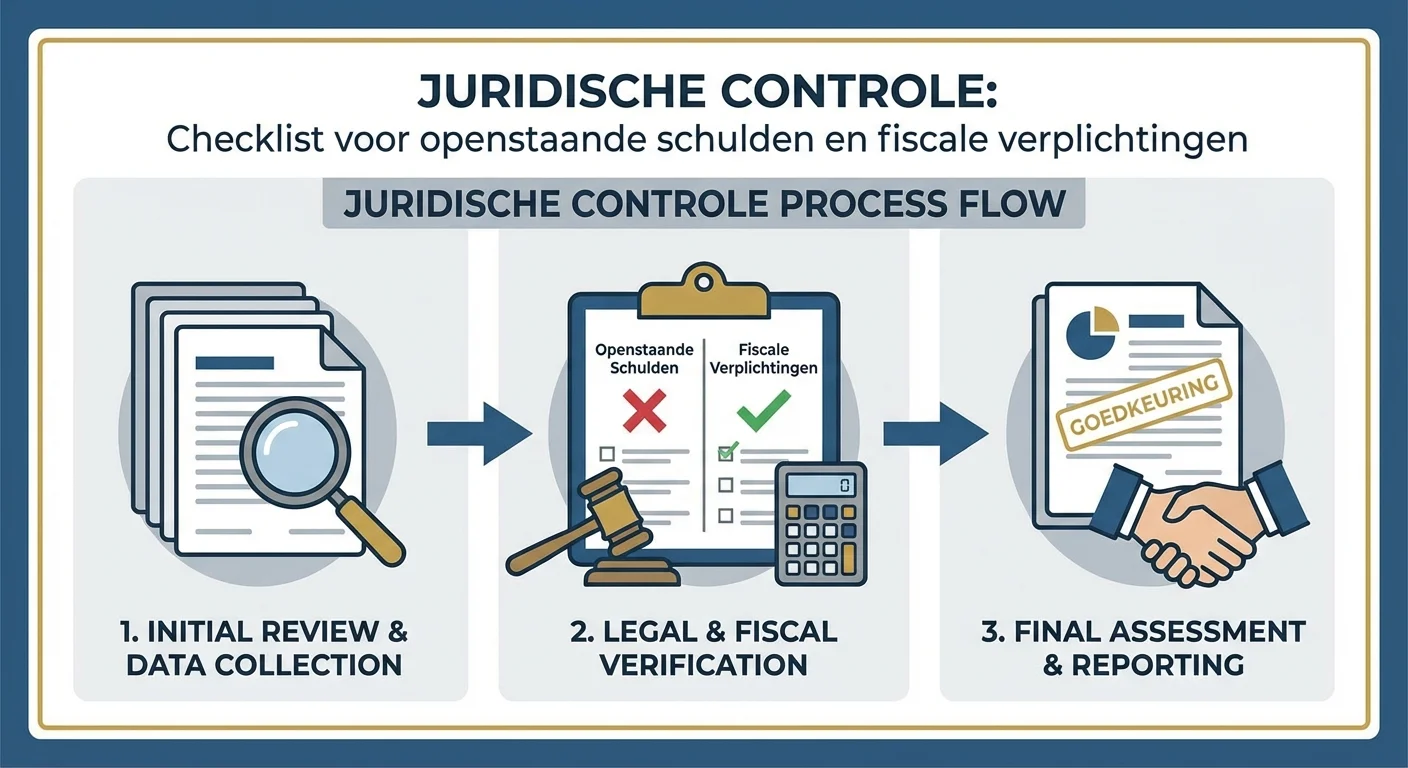
An essential part of the Legal Audit is requesting the ‘Certificado de estar al corriente’ with the comunidad de propietarios. This document confirms in black and white that there are no outstanding debts for the maintenance of the common parts, such as the lift or swimming pool. You should also check that rubbish collection fees and water bills have been settled in full. If these steps are skipped, the tax authorities or the trustee may force the new owner to still pay the debts of the previous occupant, which could put a considerable strain on your budget.
“Without a thorough Legal Audit, the buyer unknowingly risks taking over the financial burden of the previous owner, which unexpectedly increases the real cost of the property.”
The role of the property register
Consulting the Nota Simple at the Registro de la Propiedad forms the core of any Legal Audit procedure for property investors in the region. This extract reveals whether there are any mortgages, attachments or other encumbrances on the property that need to be cleared before the deed is executed.
Those planning to emigrate to Spain, does well to have a independent Legal Review to be carried out by a specialised lawyer. After all, they can check that there are no pending administrative sanctions for construction violations that are not yet on the register.
A practical checklist for your research:
- Verification of last four years of IBI payment receipts.
- Checking ‘Plusvalía’ tax status with the municipality.
- Confirmation of baseline situation with utilities.
Safe investment: Buying your property without legal worries
The process of purchasing a property abroad is an exciting adventure, but it requires a meticulous approach to avoid unpleasant surprises. A thorough Legal Verification forms the absolute basis of any secure real estate transaction, where every document, from the title deed to planning permission, is analysed in minute detail by experts. Without this verification, you risk hidden debts, illegal conversions or even disputed property rights that can heavily mortgage your investment. In practice, we often see that buyers who skip this process are later faced with complex administrative procedures that could have been avoided by seeking timely professional advice from a local specialist who knows the legislation inside out.
A waterproof Legal Control for real estate investors guarantees that the property is completely free of charges and debts.
The gestor's role in your purchase

The intervention of a specialised trustee is essential for the smooth running of the administrative processing. This expert ensures that the Legal Audit is not just a formality, but an in-depth examination of the conformity of the property.
During this process, several crucial steps are followed to protect your capital from unforeseen circumstances:
- Verification of property titles in the land registry and property register.
- Check for outstanding taxes or common charges.
- Check habitability statement and energy certificates.
- Investigate any ongoing legal disputes around the plot.
It is therefore advisable to understand why a gestor is indispensable throughout the entire process. This professional acts as your guide through the bureaucratic maze and closely monitors Legal Control.
“A preventive Legal Audit is the only way to take delivery of the keys to your dream home with peace of mind.”
Ultimately, real estate is about security and peace of mind for the future of your assets.
A worry-free purchase starts with a thorough legal check of your future home.
Without this essential step, you risk hidden debts, illegal conversions or property problems that can quickly turn your Spanish dream into an expensive nightmare. Our experts carefully verify every document with the land registry and local authorities to fully protect your investment from unforeseen legal traps.
Choose peace of mind and leave full legal control to our specialist lawyers who know local laws inside out. We will guide you from the initial screening to the final signing at the notary, so you can enjoy your place under the sun with peace of mind. Contact our office today for a no-obligation consultation and find out how we can make your property transaction in Spain safe and smooth with no unpleasant surprises afterwards.
Frequently Asked Questions
What exactly does a legal audit involve when buying a property in Spain?
A thorough legal check includes verifying title deeds, checking building permits and checking for any outstanding debts or charges on the property. This process is essential to avoid unexpected financial or legal problems that you, the buyer, may take over from the previous owner.
What is the process of a legal audit for Belgian buyers?
The process usually starts with requesting a ‘Nota Simple’ from the Spanish Property Registry to confirm the current status of the property. Your lawyer will then analyse all urban planning certificates to ensure that the property is fully compliant with local legislation.
Why is a legal check necessary before I pay an advance?
Without a prior legal check, you risk paying a reservation fee for a property that has been built illegally or is heavily mortgaged. By carrying out this check in good time, you protect your capital and get the assurance that the sale can go ahead legally.
When should I use a specialised lawyer for this investigation?
It is advisable to engage a lawyer as soon as you have your eye on a specific property, even before signing a compromise. The expert will then make the necessary checks so that you can take the next steps in the purchase process with peace of mind.
Service & Contact
Location: Alicante, Spain
Scope of work: Worldwide, Europe, Belgium, Netherlands, Germany, France
Services: Legal screening of the property title, Urban planning conformity check, Tax-legal structuring on purchase, Guidance on the Spanish notarial deed, Application and management of the NIE-Number, Control of cadastral debts and charges, Legal advice on new construction projects