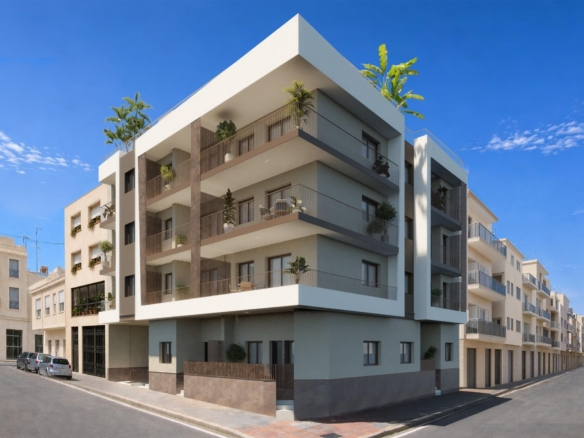
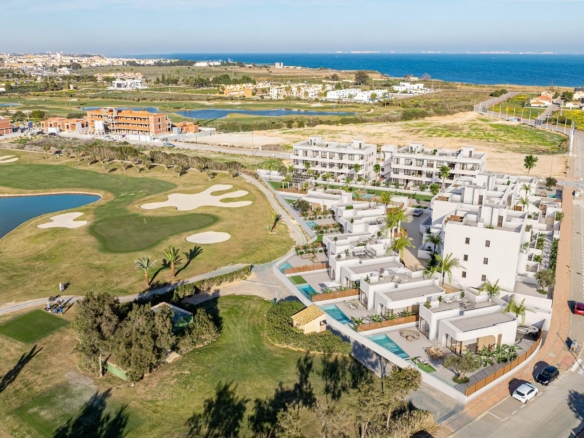
Commercieel vastgoed in Spanje is een aankoop van zakelijk onroerend goed — winkelruimte, kantoren, horeca, hotels, logistiek of gemengd gebruik — waarmee u doorgaans een hoger brutorendement nastreeft dan met een residentiële woning. Voor ondernemers en investeerders uit België, Nederland, Duitsland en Frankrijk is dit een aantrekkelijke manier om kapitaal te plaatsen in een groeiende Europese economie, met stabiele huurinkomsten uit langlopende contracten en uitzicht op waardestijging. Tegelijk gelden er eigen spelregels: een commercieel pand valt bij nieuwbouw of een zakelijke transactie doorgaans onder 21% IVA in plaats van de overdrachtsbelasting (ITP) die u bij een tweedehands woning betaalt. In dit artikel leggen wij u rustig en concreet uit hoe deze markt werkt, welke types er zijn, wat u fiscaal mag verwachten en hoe wij u als lokaal team stap voor stap begeleiden.
Het succesvol verwerven en beheren van commercieel vastgoed in Spanje vraagt om diepgaande kennis van lokale regelgeving en actuele markttrends. Ons team begeleidt u graag van eerste oriëntatie tot sleuteloverdracht — bekijk onze property services in Spain.
Wanneer u rendabel zakelijk vastgoed wilt kopen, zijn locaties zoals de Costa Blanca, Alicante, Valencia, Madrid en de toeristische kustzones essentieel voor een gezonde bezettingsgraad. De markt blijft zich diversifiëren: logistieke centra en moderne kantoorruimtes krijgen steeds vaker de voorkeur boven traditionele winkelpanden, terwijl horeca en hotels in de kustregio's sterk blijven presteren. De belangrijkste voordelen zijn stabiele huurinkomsten via langlopende huurcontracten (arrendamiento), een ondernemersvriendelijk klimaat en aanzienlijk potentieel voor waardestijging op de lange termijn. Wie de juiste regio voor vastgoedinvesteringen kiest, legt een solide basis voor een voorspelbaar resultaat.
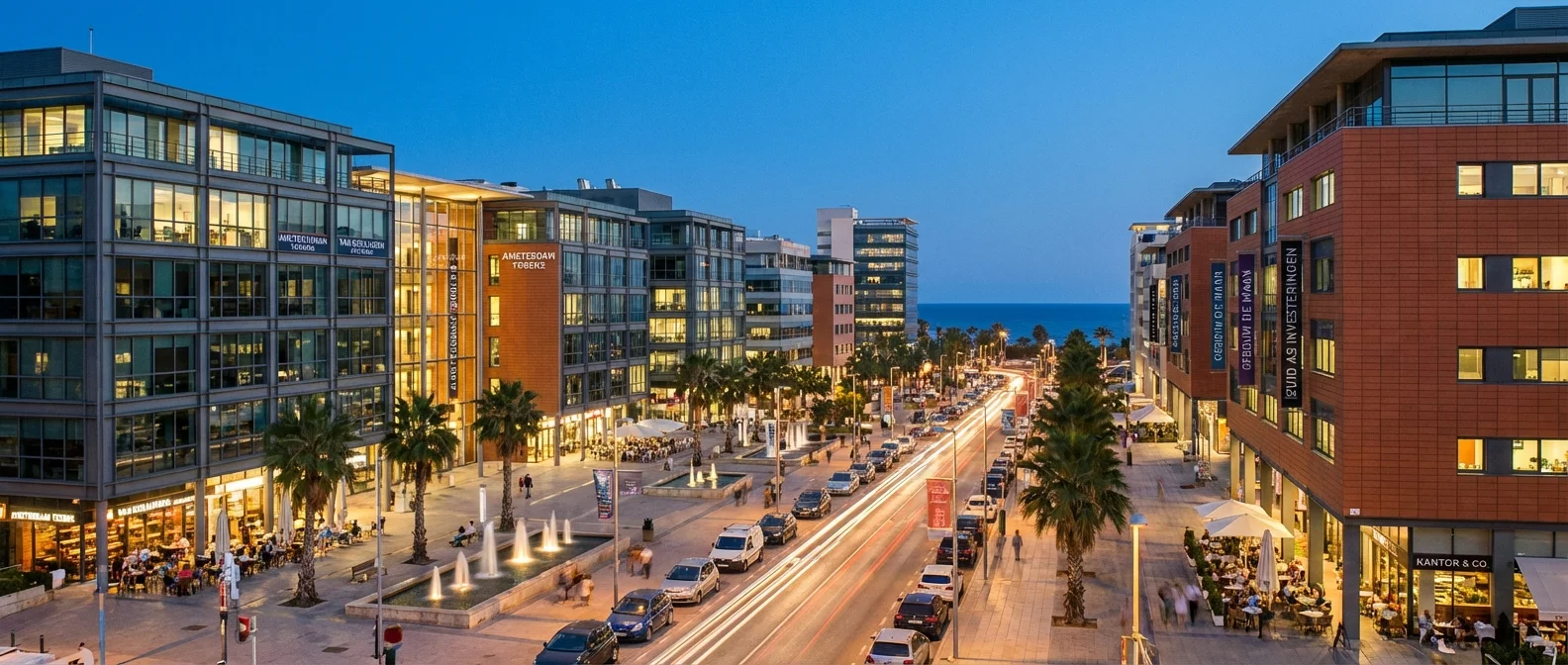
Why invest in commercial property in Spain now?
De Spaanse vastgoedmarkt maakt een opmerkelijke transformatie door die de aandacht trekt van internationale investeerders. Terwijl de residentiële markt vaak de krantenkoppen haalt, biedt de zakelijke markt een combinatie van stabiliteit en groeipotentieel die in veel andere Europese landen ontbreekt. De economische veerkracht van het land, een bloeiende toeristische sector en een groeiende behoefte aan moderne, duurzame bedrijfsruimte vormen samen een vruchtbare bodem voor kapitaalplaatsing. Steeds meer investeerders zoeken tastbare activa die bescherming bieden tegen inflatie, en Spaanse bedrijfspanden laten daarbij een aantrekkelijk rendement zien in vergelijking met traditionele financiële producten. Voor wie de stap zorgvuldig voorbereidt, is dit een strategisch moment om in te stappen.
Economic stability and tourism synergy
Een van de belangrijkste drijfveren achter de populariteit van zakelijk vastgoed is de onlosmakelijke band met toerisme. Hotels, winkelcentra, horecazaken en logistieke centra profiteren direct van de miljoenen bezoekers die Spanje jaarlijks aandoen. Die constante stroom consumenten zorgt voor een hoge bezettingsgraad en stabiele huurinkomsten voor eigenaren van commerciële objecten. Bovendien zorgt de verdere diversificatie van de Spaanse economie — met een sterke focus op technologie en hernieuwbare energie — voor een nieuwe vraag naar gespecialiseerde bedrijfsruimte in steden zoals Madrid, Valencia, Alicante en Málaga. Het vinden van de juiste strategie vraagt om inzicht in deze lokale marktdynamiek en sectorale verschuivingen, iets waar ervaren begeleiding het verschil maakt.
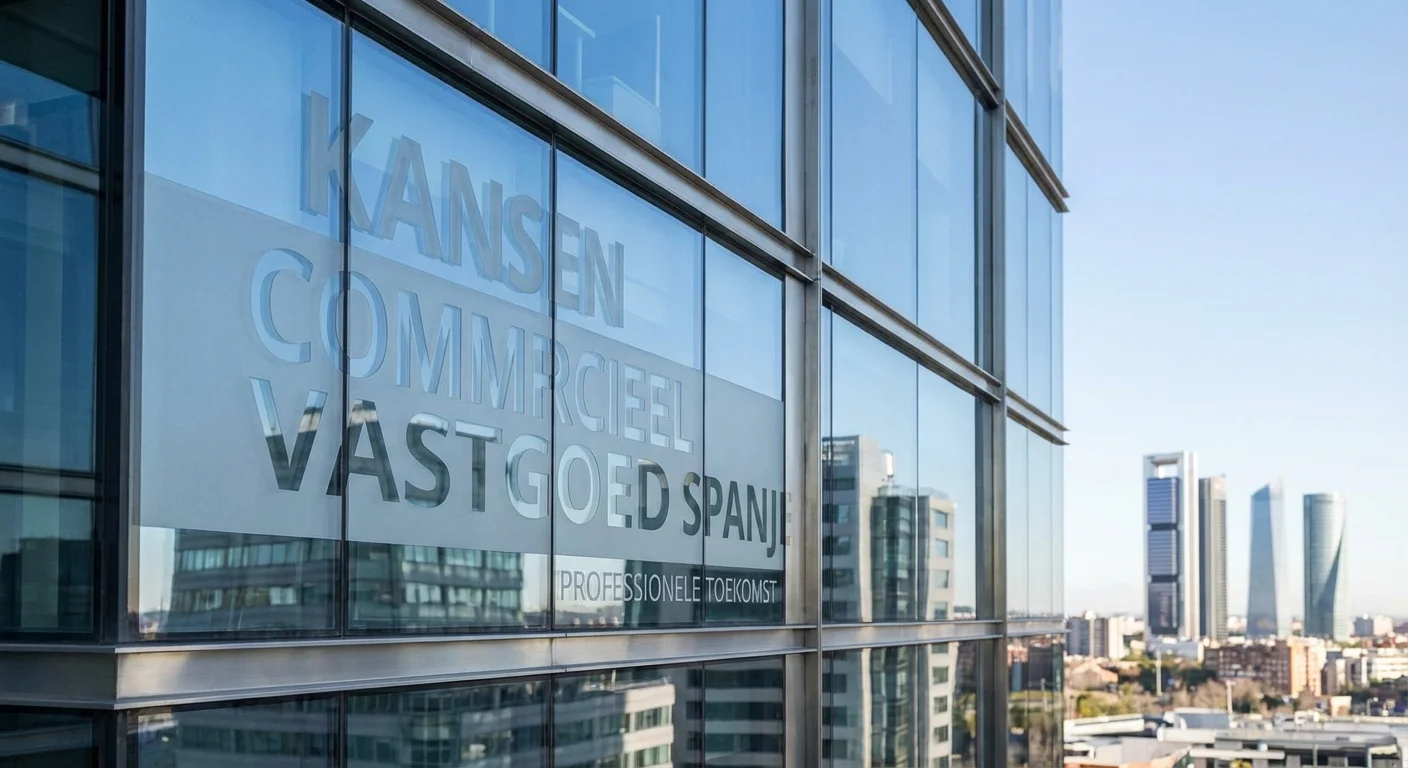
Het aanbod van kwalitatief hoogwaardige panden op A-locaties is beperkt, wat de waarde van bestaand commercieel vastgoed opwaarts onder druk zet. Daar komt bij dat de Spaanse overheid diverse maatregelen heeft ingevoerd om buitenlandse investeringen te vergemakkelijken, wat het proces voor internationale ondernemers aanzienlijk heeft versoepeld. De financieringsmogelijkheden voor zakelijke projecten blijven gunstig voor partijen met een solide trackrecord. De combinatie van een relatief lage instapprijs per vierkante meter in vergelijking met Noord-Europa en de potentie voor waardestijging maakt investeren in zakelijk vastgoed tot een logische keuze voor de moderne portefeuillebeheerder. Wilt u zien hoe dit binnen een breder beleggingsplan past? Lees dan onze hub over real estate investments in Spain.
Key advantages of the Spanish business market
- High level of legal certainty within the European Union for property owners.
- Constant demand for logistics real estate due to the growth of e-commerce in southern Europe.
- Doorgaans een hoger brutorendement dan residentiële verhuur, mits het leegstandsrisico goed wordt beheerd.
- Mogelijkheid tot passief inkomen via langdurige huurcontracten met zakelijke huurders.
“De verschuiving naar hybride werken en de behoefte aan duurzame bedrijfsgebouwen herdefinieert de manier waarop wij kijken naar de waarde van commercieel vastgoed in Spanje.”
De populairste regio's voor zakelijke vastgoedinvesteringen
Op de Spaanse markt is de geografische spreiding van kapitaal cruciaal voor succes. De keuze voor een locatie bepaalt niet alleen het directe rendement, maar ook de waardevastheid op de lange termijn. Voor ondernemers uit België, Nederland, Duitsland en Frankrijk zijn de grote metropolen Madrid en Valencia onbetwiste koplopers, maar ook de Costa Blanca en Alicante winnen sterk aan belang. Deze regio's fungeren als economische motoren waar de vraag naar kantoorruimte, horeca en logistieke centra hoog blijft, mede door internationale hoofdkantoren en een bloeiende techsector die voortdurend nieuwe ruimte claimt in het stedelijke landschap. De focus verschuift daarnaast naar secundaire steden die door verbeterde infrastructuur en toerisme een sterke groei doormaken.
De kracht van Madrid, Valencia en de kustzones
Madrid biedt een stabiel klimaat voor institutionele beleggers, terwijl Valencia uitblinkt in een sterke industriële en logistieke basis rond een van de grootste havens van het Middellandse Zeegebied. In deze regio's is de schaarste aan kwalitatieve locaties een drijvende kracht achter stijgende huurprijzen. Investeerders die zich richten op zakelijk vastgoed vinden hier een volwassen markt met transparante processen en een hoge liquiditeit, wat essentieel is voor grotere projecten en portefeuille-uitbreidingen. Aan de Costa Blanca en in Alicante is bovendien de combinatie van toerisme en een groeiende permanente bevolking gunstig voor winkelruimte (locales comerciales) en horeca op A-locaties.
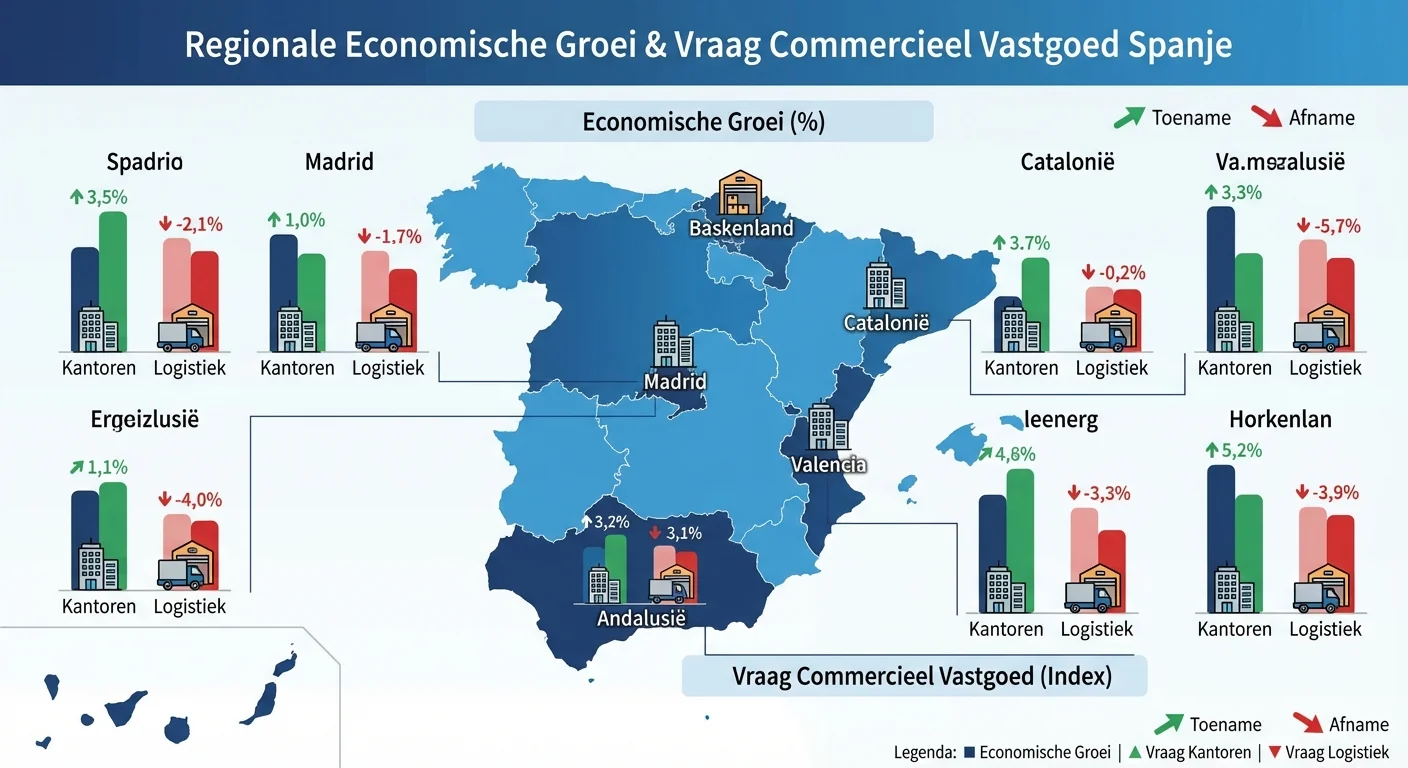
Naast deze grootmachten zien wij een opvallende opmars van de bredere kustregio's en het achterland van Valencia en Alicante. Deze gebieden trekken niet alleen toeristen aan, maar ook digitale nomaden en bedrijven die profiteren van de hoge levenskwaliteit, wat de vraag naar moderne bedrijfsruimte stuwt. De logistieke sector profiteert sterk van de strategische ligging van havensteden zoals Valencia en Alicante, die fungeren als toegangspoorten tot Europa. Wilt u weten welke gebieden het beste bij uw doel passen? Onze estate agent in Spain denkt graag met u mee over de juiste locatiekeuze.
Emerging markets and niche opportunities
Ook de Balearen en de Canarische Eilanden bieden interessante kansen, vooral in de hospitality-sector en retail. Hoewel de markt hier compacter is, zorgt de constante stroom van bezoekers voor een stabiele bezettingsgraad van commerciële panden. Het succesvol beheren van zakelijk vastgoed vereist echter lokale kennis van regelgeving en bestemmingsplannen, die per autonome regio aanzienlijk verschillen. Ervaren partijen kiezen vaak voor een gespreide portefeuille om risico's te beperken en te profiteren van verschillende economische cycli binnen het land.
- Madrid: het financiële hart met prestigieuze kantoorruimtes.
- Valencia: groeiende logistieke hub met een sterke industriële basis.
- Alicante en Costa Blanca: toerisme, retail en horeca op aantrekkelijke A-locaties.
- Toeristische kustzones: hotels en hospitality met een stabiele bezetting.
De verschillende soorten commercieel vastgoed in Spanje
Wanneer u overweegt te investeren in de Spaanse markt, is het belangrijk te beseffen dat de zakelijke sector veel breder is dan alleen vakantiewoningen. De diversiteit aan objecten biedt unieke kansen voor ondernemers en beleggers die streven naar stabiele huurinkomsten of kapitaalgroei op de lange termijn. Van bruisende winkelstraten in Madrid en Valencia tot logistieke centra nabij de grote havens: de keuzemogelijkheden zijn groot. Elke categorie heeft een eigen risicoprofiel en rendementspotentieel, afhankelijk van de locatie en de economische activiteit in de regio waarop u zich richt.
Winkelruimte en horeca: de ruggengraat van de Spaanse economie
Winkelruimte (locales comerciales) en de horecasector vormen van oudsher een cruciaal onderdeel van de vastgoedmarkt. In toeristische trekpleisters zoals de Costa Blanca, Alicante en de kustzones is de vraag naar winkelpanden en restaurantlocaties constant hoog. Investeerders profiteren hier van de gestage stroom bezoekers. Een pand op een A-locatie in een historische binnenstad kan een zeer waardevaste investering blijken, mits u rekening houdt met lokale regelgeving en seizoensinvloeden die de bezettingsgraad beïnvloeden. Daarnaast zien wij een verschuiving naar multifunctionele ruimtes met gemengd gebruik, waarbij winkelen, werken en ontspanning samenkomen in één gebouw of complex.
Kantoren, hotels en logistiek vastgoed
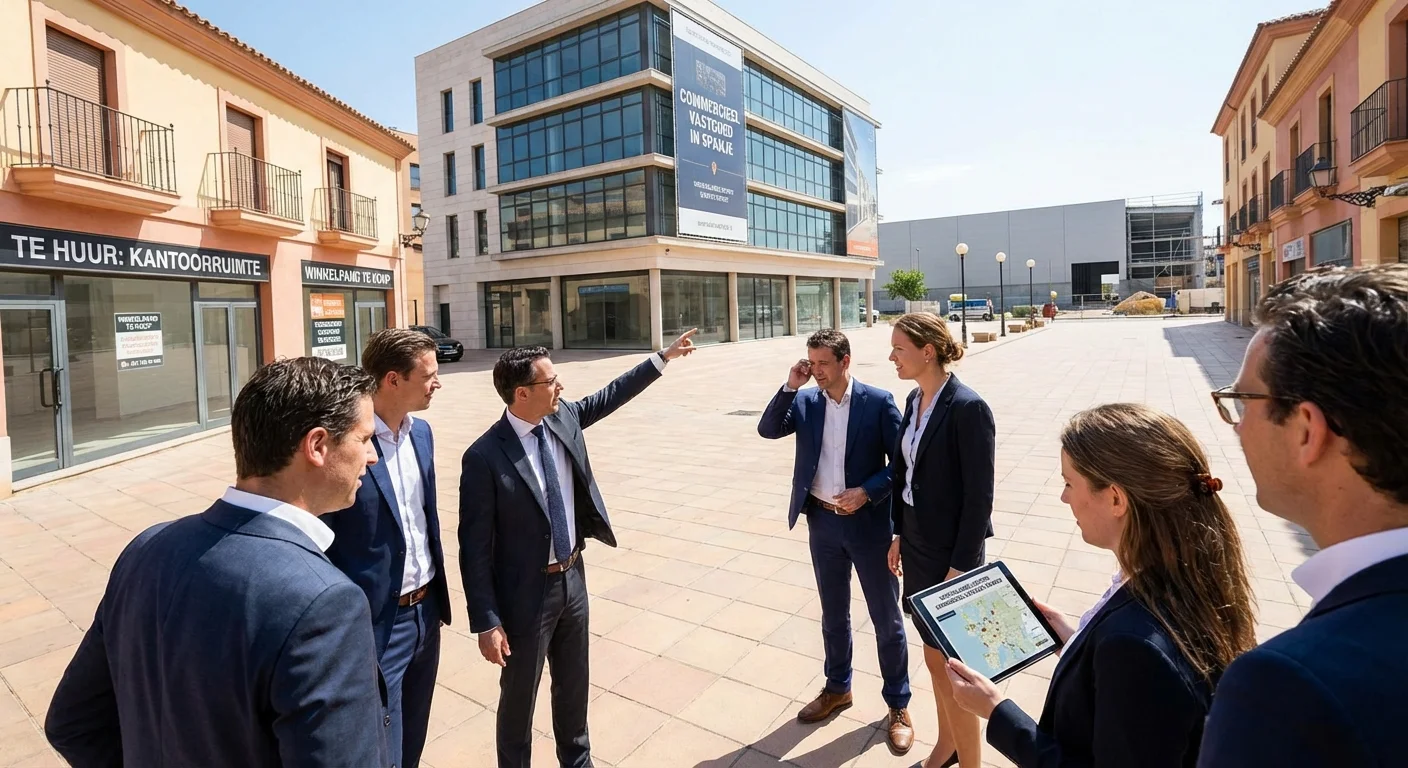
De kantorenmarkt in steden als Valencia, Alicante en Madrid heeft een vlucht genomen door de opkomst van internationale bedrijven en flexibele werkvormen. Ondernemingen zoeken moderne, duurzame kantoorruimtes die voldoen aan de huidige milieueisen. Tegelijk is de logistieke sector geëxplodeerd door de groei van e-commerce: distributiecentra en magazijnen aan de rand van stedelijke gebieden zijn zeer gewild onder institutionele beleggers. Dit type vastgoed biedt vaak langdurige huurcontracten met betrouwbare zakelijke huurders, wat zorgt voor een voorspelbare cashflow. Ook hotels en horeca in de toeristische kustzones vormen een aparte, kapitaalkrachtige niche met een eigen rendements- en risicoprofiel. Hieronder vindt u de meest voorkomende categorieën op een rij:
- Winkelruimte (locales comerciales) in stadscentra en winkelcentra.
- Kantoorruimtes, van co-workingplekken tot volledige kantoortorens.
- Logistiek vastgoed: magazijnen, industriële hallen en distributiepunten.
- Horeca en hotels: bars, restaurants en toeristische logiesaccommodatie.
- Gemengd gebruik en zorgvastgoed, zoals private klinieken.
Aankoopproces en de verschillen met residentieel vastgoed
Het aankoopproces van een commercieel pand lijkt in grote lijnen op dat van een woning, maar kent enkele wezenlijke verschillen. De eerste stap is altijd het aanvragen van een NIE-number (Número de Identidad de Extranjero), uw fiscale identificatienummer dat verplicht is voor elke officiële handeling. Zonder dit nummer kunt u geen bankrekening openen, geen nutsvoorzieningen aanvragen en geen eigendom op uw naam laten registreren. Daarna volgt het reserveringscontract (contrato de arras), de notariële akte (escritura de compraventa) en de inschrijving in het eigendomsregister (Registro de la Propiedad). Tot zover lijkt het op een residentiële aankoop — maar de juridische en fiscale lagen liggen bij commercieel vastgoed complexer.
De cruciale rol van juridische controle
Voordat u een handtekening zet, is een onafhankelijke Spaanse advocaat de belangrijkste investering die u kunt doen om uw kapitaal te beschermen. Deze voert een grondige juridische controle (due diligence) uit en gaat na of er openstaande belastingen, hypotheken of gemeentelijke boetes op het pand rusten. Dit onderzoek is bij zakelijk vastgoed extra belangrijk, omdat schulden in Spanje vaak aan het object kleven en niet aan de persoon. Bij een commercieel pand controleert de advocaat bovendien of de juiste gebruiksvergunning (licencia de actividad) aanwezig is voor de beoogde activiteit — horeca, retail of logistiek hebben elk hun eigen vereisten. De notaris controleert weliswaar de identiteit en documenten bij de overdracht, maar voert dit vooronderzoek niet voor u uit.
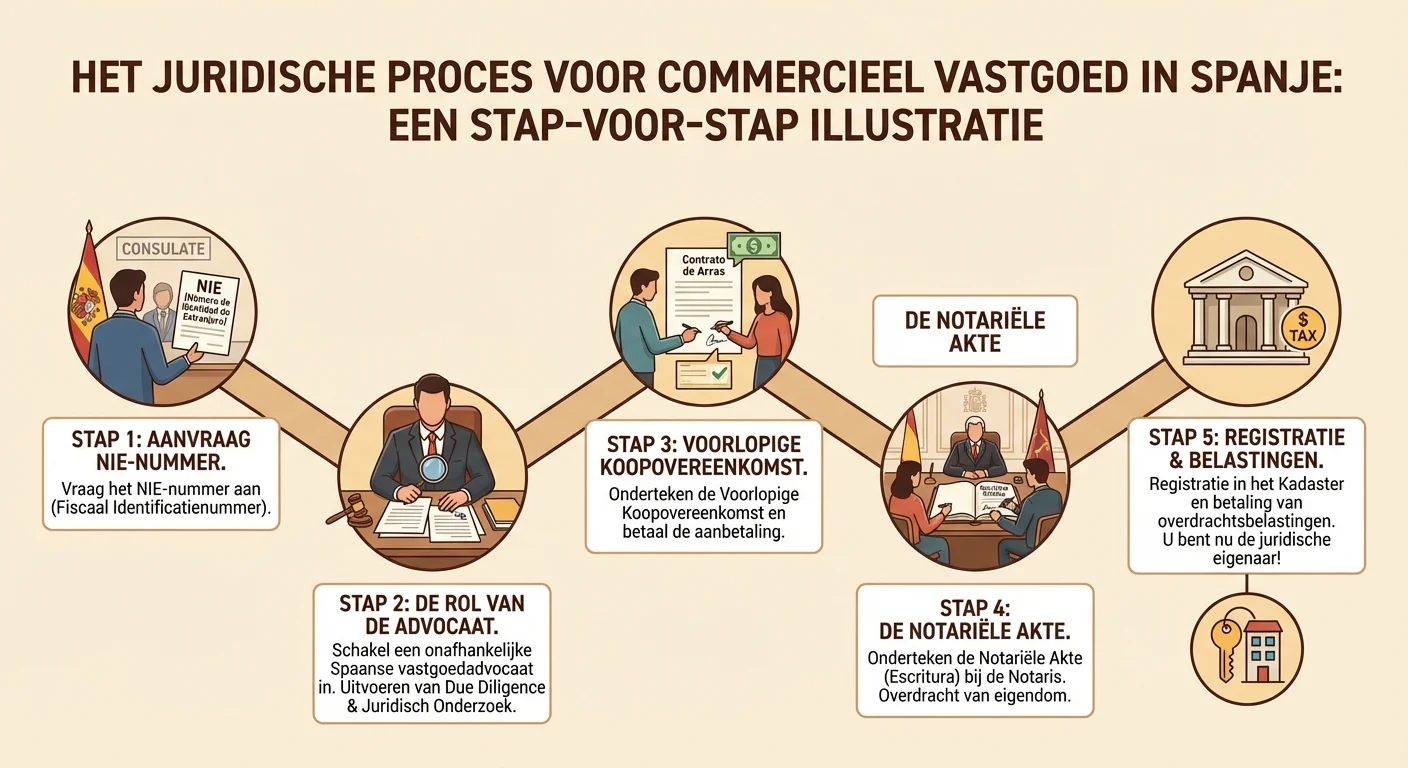
Het traject van commercieel vastgoed kopen als buitenlandse investeerder verloopt doorgaans via de volgende stappen:
- The applying for the compulsory NIE number to Spanish authorities.
- Het openen van een lokale bankrekening voor belastingen en nutsvoorzieningen.
- Het ondertekenen van het contrato de arras (reserveringscontract) en het betalen van de borg.
- De definitieve overdracht bij de notaris via de escritura de compraventa.
- Registration of the property in the name of the new owner or company.
“Een zorgvuldige screening van de bestemmingsplannen en gebruiksvergunningen is bij commercieel vastgoed in Spanje vaak belangrijker dan de fysieke staat van het gebouw zelf.”
Btw (IVA) en fiscale verplichtingen bij commercieel vastgoed
Het grootste fiscale verschil met een residentiële tweedehands woning zit in de aankoopbelasting. Een commercieel pand — of het nu nieuwbouw is of via een zakelijke (btw-plichtige) verkoper wordt verkocht — valt doorgaans onder 21% IVA, vermeerderd met de zegelrechten (AJD). Bij een tweedehands woning betaalt u daarentegen overdrachtsbelasting (ITP). Wie via een Spaanse vennootschap of als btw-plichtige ondernemer koopt en het pand zakelijk gebruikt, kan deze IVA in veel gevallen terugvorderen, wat een aanzienlijke liquiditeitsverbetering oplevert. Reken in alle gevallen op kosten koper van ongeveer 10 tot 15% bovenop de aankoopprijs. Een volledig overzicht vindt u in ons artikel over buyer's costs in Spain en in onze toelichting op de actuele transfer tax in Spain.
Belasting op huurinkomsten en jaarlijkse heffingen
Verhuurt u uw pand, dan zijn de huurinkomsten belast via de inkomstenbelasting voor niet-residenten (IRNR). Voor investeerders uit de EU of EER geldt een tarief van 19%, waarbij u kosten zoals onderhoud, verzekeringen, beheer en hypotheekrente mag aftrekken. Voor niet-EU-investeerders bedraagt het tarief 24% zonder die aftrekmogelijkheid — een belangrijk aandachtspunt bij de structurering van uw aankoop. Daarnaast betaalt u jaarlijks de gemeentelijke onroerendgoedbelasting (IBI) en, afhankelijk van de regio en uw totale vermogen, mogelijk vermogensbelasting. De manier waarop u het eigendom structureert (als privépersoon of via een Spaanse vennootschap, de S.L.) heeft dan ook grote gevolgen voor uw netto rendement. Wij verwijzen u graag naar ons uitgebreide overzicht van de Taxes for property investors in Spain.
- IVA (21%) + AJD bij nieuwbouw of een zakelijke verkoop, in plaats van ITP bij tweedehands woningen.
- IRNR op huurinkomsten: 19% voor EU/EER (kosten aftrekbaar), 24% voor niet-EU.
- De jaarlijkse gemeentelijke onroerendgoedbelasting (IBI).
- Eventuele vermogensbelasting, afhankelijk van de autonome regio en de totale waarde.
Rendement en huurcontracten (arrendamiento)
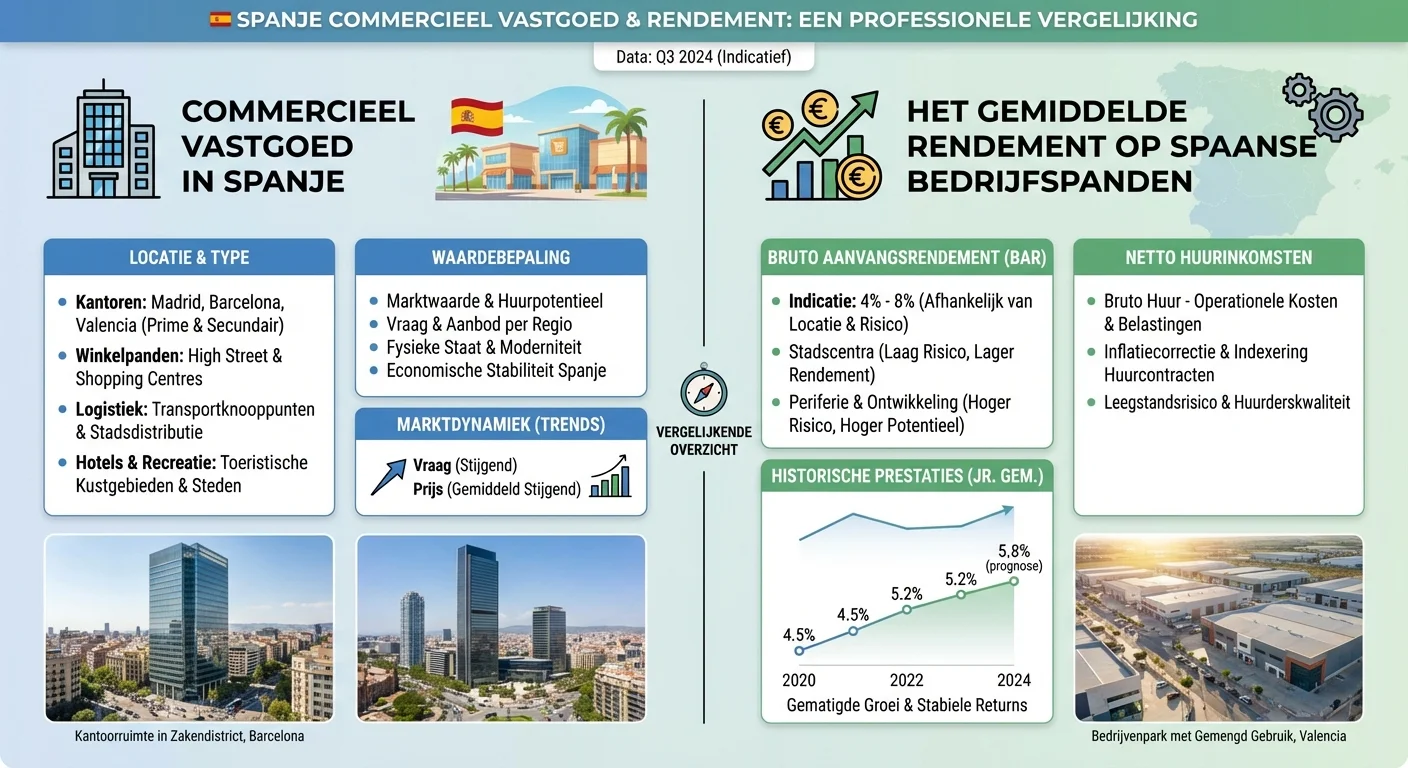
De opbrengsten van zakelijke objecten liggen doorgaans hoger dan die van residentiële woningen, juist vanwege de langdurige huurcontracten en de professionele aard van de huurders. Tegenover dat hogere brutorendement staat wel een groter leegstandsrisico: een commercieel pand kan langer leegstaan tussen twee huurders in. Het rendement wordt niet alleen bepaald door de maandelijkse huur, maar ook door de locatiegevoeligheid en de economische vitaliteit van de specifieke regio. Steden zoals Madrid, Valencia en Alicante vertonen de hoogste activiteit, maar ook de toeristische kustgebieden bieden interessante mogelijkheden voor wie zoekt naar een solide cashflow.
Huurcontracten en factoren die de winstgevendheid bepalen
Commerciële huurovereenkomsten (arrendamiento) worden in Spanje doorgaans voor meerdere jaren afgesloten, vaak met jaarlijkse indexering en heldere afspraken over onderhoud en gebruik. Een solvabele huurder met een lang contract verhoogt de waarde van uw pand aanzienlijk. Bij de uiteindelijke winstgevendheid spelen verder de staat van het onderhoud, de looptijd van de contracten en de lokale belastingen een rol. Bij logistiek vastgoed zijn de verbindingen met snelwegen en havens doorslaggevend; bij horeca en retail draait alles om de loop en de zichtbaarheid van de locatie. Een grondige analyse van de exploitatiekosten vooraf voorkomt verrassingen tijdens de beheerfase. Het spreiden van risico's over verschillende types panden helpt om een stabieler jaarlijks resultaat te behalen.
“De Spaanse zakelijke vastgoedmarkt biedt een unieke combinatie van kapitaalgroei en directe inkomsten, mits de locatiekeuze gebaseerd is op actuele economische data en lokale marktkennis.”
Winkelruimte op A1-locaties in steden zoals Alicante of Valencia kent vaak een lagere leegstand, wat de waarde verhoogt. Logistieke hallen aan de rand van de stad bieden daarentegen lagere instapprijzen, waardoor de verhouding tussen huur en aankoopprijs gunstiger uitvalt. Kijk altijd naar de toekomstige ontwikkelingen in het bestemmingsplan van de gemeente: nieuwe infrastructuur kan de waarde van uw pand in korte tijd positief beïnvloeden. Voor wie het rendement vooraf concreet wil doorrekenen, kan onze toelichting op het rendement berekenen een nuttig vertrekpunt zijn, ook al ligt de focus daar op vakantiewoningen.
Financiering voor buitenlandse ondernemers
De financiering van commercieel vastgoed verschilt aanzienlijk van een residentiële hypotheek. Spaanse banken stellen strengere eisen aan de solvabiliteit van de onderneming en kijken zowel naar de aanvrager als naar het object zelf. Waar niet-residenten voor een woning doorgaans tot ongeveer 70% van de taxatiewaarde kunnen lenen, ligt dat percentage bij commercieel vastgoed vaak lager en zijn de voorwaarden strenger. U brengt dus doorgaans een groter deel eigen vermogen in. Naast de jaarcijfers van uw bestaande bedrijven wordt gekeken naar de geprojecteerde inkomsten uit de Spaanse exploitatie en naar een degelijk onderbouwd businessplan.
Het navigeren door deze bureaucratie kan complex zijn, daarom is professionele begeleiding vaak onmisbaar voor een soepel verloop. Wilt u uw mogelijkheden in kaart brengen? Onze specialisten helpen u graag bij het Applying for a mortgage in Spain. Houd bij uw voorbereiding rekening met het volgende:
- An up-to-date overview of your global assets and liabilities.
- Een officieel taxatierapport, uitgevoerd door een door de bank erkende instantie.
- Het tijdig aanvragen van het NIE-nummer.
- Understanding the local taxes and additional costs of the purchase.
“De bereidheid van Spaanse banken om te financieren hangt nauw samen met de stabiliteit van de sector waarin het vastgoed zich bevindt.”
Alternative forms of financing
Naast traditionele bankleningen zijn er ook alternatieve wegen, zoals private equity of gespecialiseerde investeringsfondsen. Deze partijen kijken vaak verder dan de standaardcriteria en zijn bereid in te stappen bij projecten met een hoger risicoprofiel of een unieke marktpositie. De rentetarieven liggen hier doorgaans hoger, maar bieden meer flexibiliteit in de structuur van de lening. Voor ondernemers die aan de Costa Blanca of in Alicante snel willen schakelen, kan een lokale expert helpen om de juiste deuren te openen.
Risico's en valkuilen bij Spaanse vastgoedprojecten
Investeren in commercieel vastgoed biedt aanzienlijke kansen, maar de weg naar succes vraagt om een grondige voorbereiding. Een van de grootste risico's is de bureaucratische traagheid en de versnipperde regelgeving tussen de autonome regio's. Wie de lokale wetgeving niet kent, kan te maken krijgen met onverwachte vertragingen bij exploitatievergunningen of bestemmingswijzigingen. Daarnaast maakt de gevoeligheid van de toeristische sector voor economische schommelingen een diepgaande marktanalyse essentieel voordat kapitaal wordt vastgelegd. Zonder lokale expertise loopt u het risico op verborgen gebreken of juridische complicaties die de waarde van uw belegging drastisch kunnen verminderen.
Let bij het evalueren van een pand in elk geval op de volgende kritieke punten:
- The validity of current building permits and use licences.
- Any outstanding debts or taxes on the property.
- The state of maintenance and compliance with modern environmental standards.
- De flexibiliteit en looptijd van de huurcontracten met bestaande zakelijke huurders.
Ten slotte is de liquiditeit van het object een aandachtspunt, want sommige regio's kennen een veel snellere doorlooptijd dan andere. Het selecteren van strategisch gelegen commercieel vastgoed in steden zoals Madrid, Valencia, Alicante of Málaga kan het risico op leegstand aanzienlijk verkleinen, mits de aankoopprijs marktconform is en de juridische situatie volledig is geverifieerd. Een proactieve houding ten aanzien van risicobeheer en lokale netwerkvorming maakt hierbij het verschil.
De toekomstverwachting van de Spaanse commerciële markt
De vooruitzichten voor de Spaanse economie blijven gunstig, wat een directe impact heeft op de stabiliteit van de zakelijke vastgoedsector. Beleggers kijken met belangstelling naar de groeiende vraag naar logistieke centra en moderne kantoorruimtes in steden zoals Madrid, Valencia en Málaga. De markt wordt gedreven door toeristische veerkracht en een toenemende digitalisering van de retailsector. Ontwikkelaars richten zich steeds vaker op duurzame projecten die voldoen aan internationale milieunormen — essentieel om grote institutionele huurders aan te trekken die waarde hechten aan maatschappelijk verantwoord ondernemen binnen de Europese Unie.
Digitisation and logistics expansion
De opkomst van e-commerce heeft de behoefte aan distributiecentra en magazijnen aan de rand van grote stedelijke gebieden enorm vergroot. De schaarste aan kwalitatieve grondposities drijft de prijzen in deze segmenten op, terwijl de traditionele winkelstraat zichzelf opnieuw uitvindt richting beleving en gemengd gebruik. Voor wie kijkt naar duurzaam rendement op lange termijn, zijn de bereikbaarheid en de technologische infrastructuur van het pand cruciaal. Samenwerken met lokale experts helpt om de juridische complexiteit van bestemmingsplannen volledig te doorgronden en risico's te minimaliseren. De volgende factoren bepalen de komende jaren de koers van de markt:
- Integrating hybrid working models into office designs.
- Transforming vacant retail premises into multifunctional spaces.
- Strenge regelgeving omtrent energie-efficiëntie en CO2-reductie.
- De aanhoudende interesse van buitenlandse investeringsfondsen in toeristische infrastructuur.
How we can help you
Investeren in commercieel vastgoed in Spanje biedt volop kansen, maar vraagt om grondige kennis van de lokale wetgeving, fiscaliteit en marktdynamiek. Ons team van Investeer in Spanje (Luxe Vastgoed Groep), onder leiding van vastgoedexpert en CEO Kenzo Fayot, begeleidt ondernemers en investeerders uit België, Nederland, Duitsland en Frankrijk van de eerste oriëntatie tot de sleuteloverdracht en het beheer daarna. Of u nu kiest voor een modern kantoorpand, een strategisch gelegen winkelruimte, een horecazaak of een logistiek complex: wij helpen u bij de locatiekeuze, de juridische controle, de fiscale structurering en de financiering. Lees meer about us en ontdek hoe wij u kunnen ondersteunen via onze begeleiding bij vastgoedinvesteringen.
Wilt u vrijblijvend de mogelijkheden bespreken voor uw specifieke situatie? Please feel free to contact us voor een persoonlijk adviesgesprek. Wij denken met u mee over de investering die naadloos aansluit bij uw financiële doelstellingen en uw langetermijnvisie binnen de Spaanse markt.
Veelgestelde vragen over commercieel vastgoed in Spanje
Betaal ik btw (IVA) of overdrachtsbelasting bij commercieel vastgoed in Spanje?
Een commercieel pand valt bij nieuwbouw of een zakelijke verkoop doorgaans onder 21% IVA, vermeerderd met de zegelrechten (AJD). Dat verschilt van een tweedehands woning, waarvoor u overdrachtsbelasting (ITP) betaalt. Koopt u zakelijk en gebruikt u het pand btw-plichtig, dan is de IVA in veel gevallen terugvorderbaar. Reken in totaal op kosten koper van ongeveer 10 tot 15% bovenop de prijs.
Levert commercieel vastgoed een hoger rendement op dan een woning?
Commercieel vastgoed biedt doorgaans een hoger brutorendement dan residentiële verhuur, dankzij langlopende huurcontracten en professionele huurders. Daar staat wel een groter leegstandsrisico tegenover: een zakelijk pand kan langer leegstaan tussen twee huurders in. Een goede locatie, een solvabele huurder en een lang contract beperken dat risico aanzienlijk.
Hoeveel belasting betaal ik over de huurinkomsten als niet-resident?
Huurinkomsten worden belast via de inkomstenbelasting voor niet-residenten (IRNR). Voor investeerders uit de EU of EER geldt 19%, waarbij u kosten zoals onderhoud, beheer en hypotheekrente mag aftrekken. Voor niet-EU-investeerders bedraagt het tarief 24% zonder die aftrek. Daarnaast betaalt u jaarlijks de gemeentelijke onroerendgoedbelasting (IBI).
Kan ik als buitenlandse ondernemer financiering krijgen voor een zakelijk pand?
Ja, maar de eisen zijn strenger dan bij een woning. Waar niet-residenten voor een woning vaak tot ongeveer 70% van de taxatiewaarde kunnen lenen, ligt dat percentage bij commercieel vastgoed doorgaans lager. Banken kijken naar uw solvabiliteit, jaarcijfers en een onderbouwd businessplan. Wij begeleiden u graag bij het aanvragen van een hypotheek in Spanje.
Welke regio's zijn het meest geschikt voor commercieel vastgoed?
De Costa Blanca, Alicante, Valencia, Madrid en de toeristische kustzones zijn doorgaans het meest interessant. Madrid en Valencia bieden sterke kantoor- en logistieke markten, terwijl Alicante en de Costa Blanca uitblinken in retail en horeca. De juiste keuze hangt af van het type pand en uw doelstellingen; onze lokale experts adviseren u hierin graag.